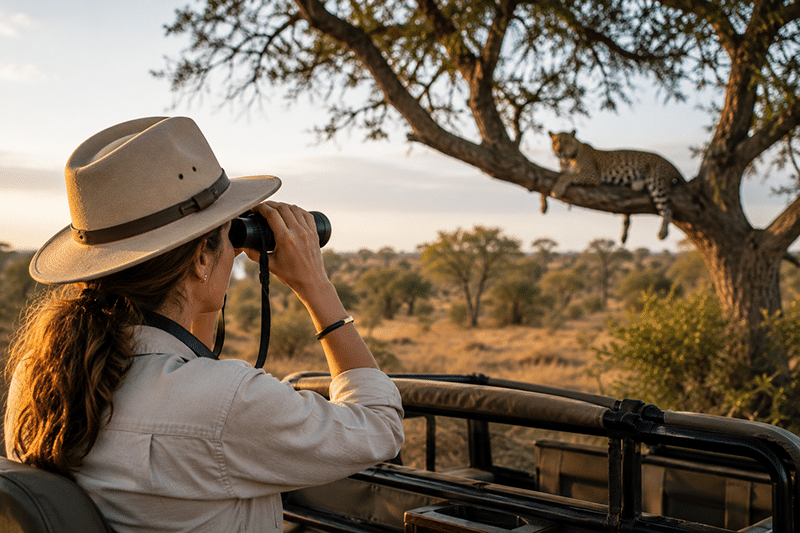
Botswana is widely recognised for its vast wilderness areas and strong conservation record, yet like much of Africa, it is also home to species whose future remains uncertain. Understanding the challenges these animals face adds depth to any safari experience and highlights the importance of responsible travel and long-term conservation efforts.
This article explores some of the endangered and vulnerable species found in Botswana, the work being done to protect them, and what it means to observe wildlife with awareness and respect.
What endangered means in Botswana
When a species is described as endangered, it refers to animals whose populations are at risk of declining without sustained protection. These pressures may include habitat loss, poaching, human-wildlife conflict, and environmental change. Botswana approaches wildlife protection through a combination of government policy, community involvement, and carefully managed tourism that prioritises long-term ecological balance.
Black rhino
The black rhino is one of Africa’s most iconic and threatened species. Once widespread, its numbers declined dramatically due to poaching and habitat loss. In Botswana, intensive protection and carefully managed conservation programmes have helped stabilise certain populations. Encountering a black rhino in the wild is rare and meaningful, reflecting years of commitment and vigilance behind the scenes.
African wild dog
African wild dogs are known for their strong social bonds and coordinated hunting behaviour. They require large territories and stable pack structures to survive. Habitat fragmentation and disease have contributed to their vulnerability across much of the continent. In Botswana, monitoring programmes and community-based conservation efforts play an important role in supporting these highly mobile predators.
Vultures and scavenger species
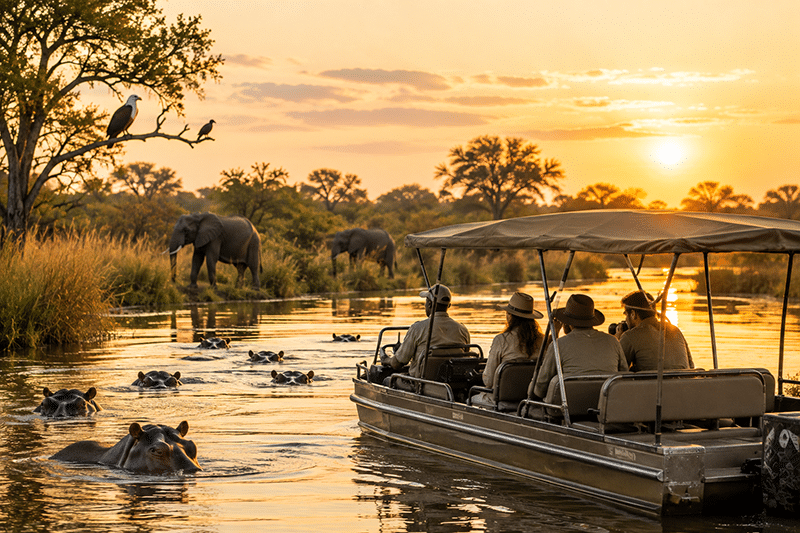
Vultures, including the lappet-faced vulture, are essential to healthy ecosystems, yet many species face rapid decline. Threats include poisoning, reduced food sources, and disturbance at nesting sites. Conservation initiatives focus on research, education, and protecting key habitats, recognising the vital role these birds play in maintaining ecological balance.
Elephants and ongoing pressures
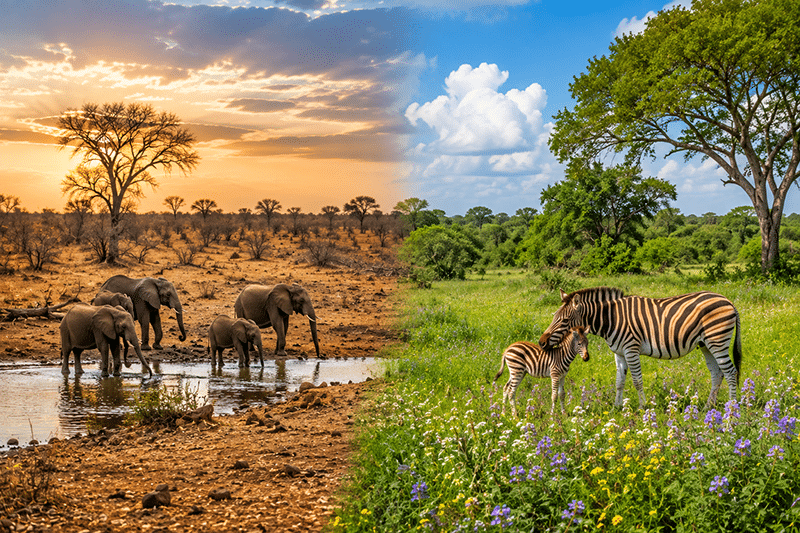
Botswana is home to one of the largest elephant populations in Africa. While numbers here remain comparatively strong, elephants continue to face pressure from poaching, land-use change, and environmental stress. As a keystone species, elephants influence landscapes, water availability, and the movement of other wildlife. Ongoing management and monitoring are essential to ensuring long-term stability.
How conservation works in practice
Protecting endangered species in Botswana is a collaborative effort involving conservation organisations, local communities, researchers, and safari operators. This work often includes habitat protection, anti-poaching patrols, wildlife monitoring, and education initiatives that link conservation success with community benefit.
These strategies evolve over time, adapting to changing conditions and emerging challenges, reinforcing the importance of sustained commitment rather than short-term solutions.
Observing endangered wildlife responsibly
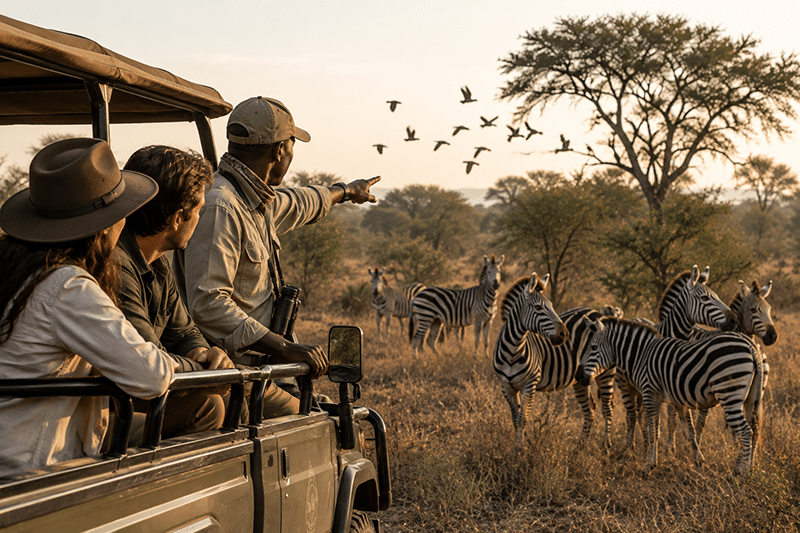
For visitors, encountering endangered species is an opportunity to deepen understanding rather than simply add to a list of sightings. Responsible safari travel means observing from respectful distances, following guide instructions, and appreciating the broader context behind each encounter.
When wildlife is viewed with patience and awareness, the experience becomes more meaningful and lasting.
Why this matters
Wildlife conservation in Botswana supports more than biodiversity. It contributes to community livelihoods, cultural heritage, and the health of ecosystems that sustain both people and animals. Travellers who choose ethical operators and approach their journeys thoughtfully play a small but meaningful role in supporting these efforts.
Endangered species in Botswana remind us that safari travel carries both privilege and responsibility. Behind every rare sighting lies careful planning, protection, and collaboration. By travelling with awareness and respect, visitors help ensure these species remain part of the landscape for generations to come.
If you would like guidance on planning a safari that includes conservation-focused experiences or visiting regions where endangered species are actively protected, we are happy to help shape a journey aligned with your interests.