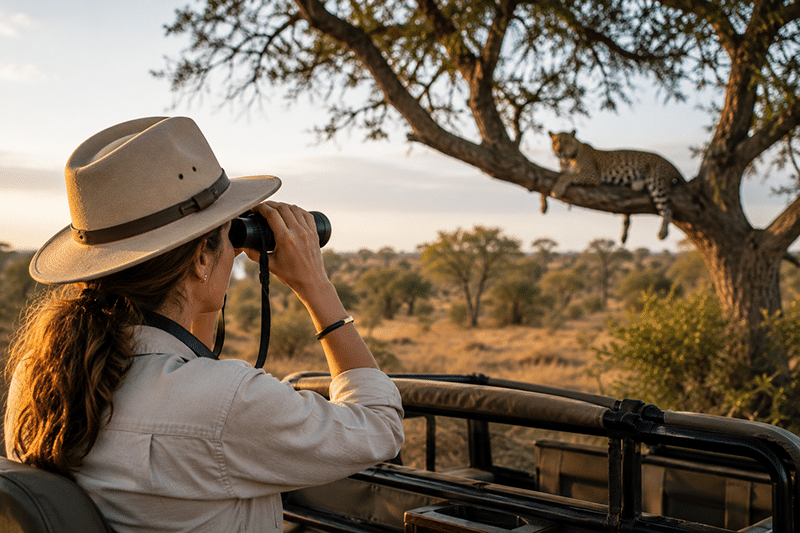
Few wildlife experiences are as iconic as encountering the Big Five on safari. The term refers to five of Africa’s most renowned animals: the lion, leopard, elephant, rhinoceros, and buffalo. Originally coined by hunters to describe the most challenging animals to track on foot, the Big Five has since become a symbol of Africa’s extraordinary wildlife.
For travellers exploring destinations such as South Africa, Botswana, and Kenya, understanding these animals enhances every game drive and transforms sightings into meaningful encounters.
What are the Big Five?
The Big Five are not the largest animals in Africa, but rather those historically considered the most dangerous to hunt. Today, they represent the ultimate wildlife checklist for safari travellers.
Each species offers a completely different experience, from the power of a lion pride to the quiet elusiveness of a leopard.
Lion the king of the savanna
The lion is perhaps the most recognisable of the Big Five. Known for its social structure, lions live in prides and are often seen resting during the day before becoming active in the cooler hours.
Sightings often involve powerful interactions, whether it is a hunt, territorial display, or the simple presence of a dominant male resting in golden grass.
Leopard the elusive predator
Leopards are solitary, secretive, and incredibly adaptable. Unlike lions, they are rarely seen in groups and often prefer dense vegetation or trees.
Spotting a leopard requires patience and a trained eye. Guides often look for subtle clues such as alarm calls from birds or tracks along sandy paths.
When seen, leopards often rest on tree branches, creating one of the most sought-after photographic moments on safari.
Elephant the gentle giant
African elephants are the largest land animals on Earth and are known for their intelligence and complex social structures.
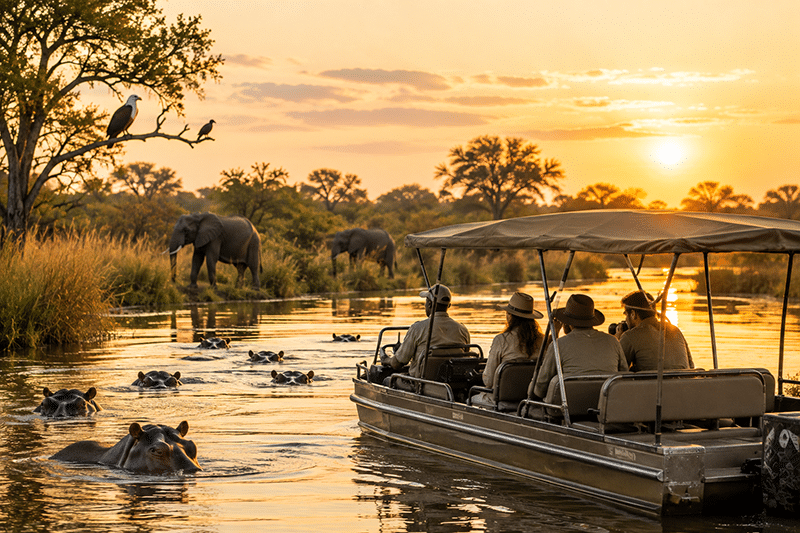
Herds are typically led by a matriarch, and watching their interactions offers insight into their deep social bonds. Encounters can range from peaceful grazing scenes to dramatic river crossings.
Destinations like Chobe National Park are famous for large elephant populations, particularly during the dry season.
Rhinoceros a conservation success story
Rhinoceroses are among the most endangered members of the Big Five, making each sighting especially meaningful.
Both black and white rhinos can be found in parts of southern and eastern Africa. Conservation efforts across reserves and private concessions have played a vital role in protecting these animals.
To better understand ongoing conservation efforts and the importance of protecting these species, you can explore resources such as World Wildlife Fund, which highlights the challenges and progress in preserving African wildlife.
Buffalo the underestimated force
The African buffalo is often overlooked but is one of the most formidable animals on safari.
They move in large herds and are known for their unpredictable nature. Their strength and group dynamics make them both fascinating and respected among guides.
Buffalo sightings often include dramatic scenes, especially when interacting with predators.
Where to see the Big Five
Several safari destinations offer excellent opportunities to see all five animals.
The Kruger National Park is one of the most accessible Big Five destinations, offering a wide range of accommodation and safari styles.
The Okavango Delta provides a more exclusive and immersive experience, combining water and land-based safaris.
In East Africa, the Masai Mara is renowned for its abundant wildlife and open landscapes.
Tips for spotting the Big Five
Patience is essential when searching for the Big Five. Wildlife sightings are never guaranteed, which makes each encounter more rewarding.
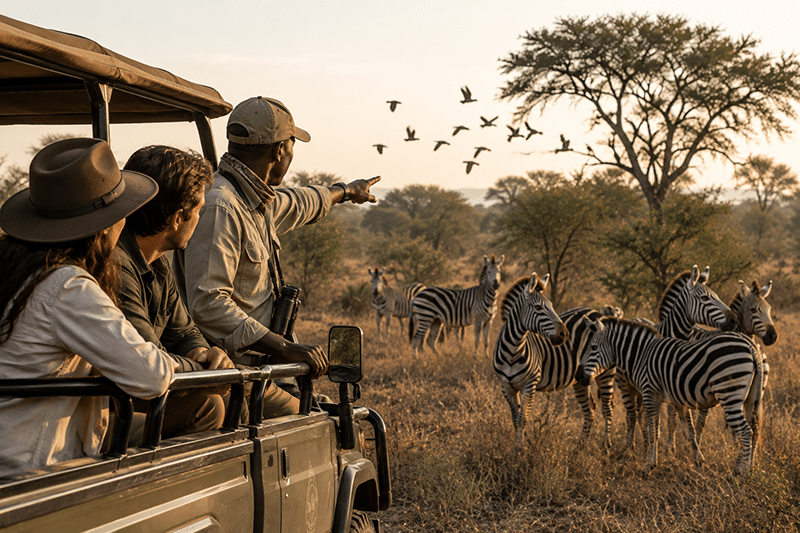
Early morning and late afternoon game drives offer the best chances of activity. Listening to your guide and paying attention to the environment can significantly increase your chances of memorable sightings.
Conclusion
The Big Five represent more than just a checklist. They embody the diversity, power, and beauty of Africa’s wildlife.
Experiencing these animals in their natural habitat creates lasting memories and a deeper appreciation for the ecosystems they inhabit. If you are ready to experience the Big Five for yourself, you can plan your safari through https://awildlifeexpedition.com/contact-us/ and begin your journey into the wild.