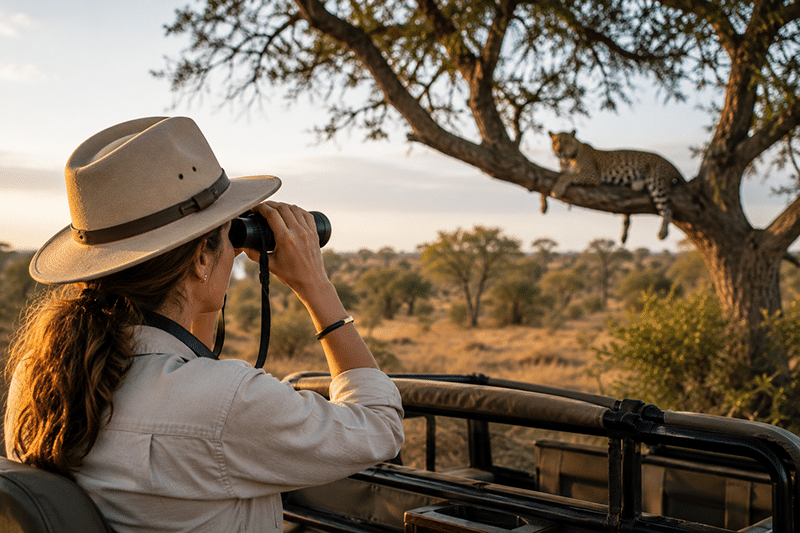
Timing your safari in Africa can significantly shape your overall experience. From wildlife sightings to landscapes and even pricing, the time of year you choose will influence every aspect of your journey.
Across destinations such as South Africa, Botswana, and Kenya, understanding seasonal differences will help you plan a safari that aligns perfectly with your expectations.
Understanding Africa’s safari seasons
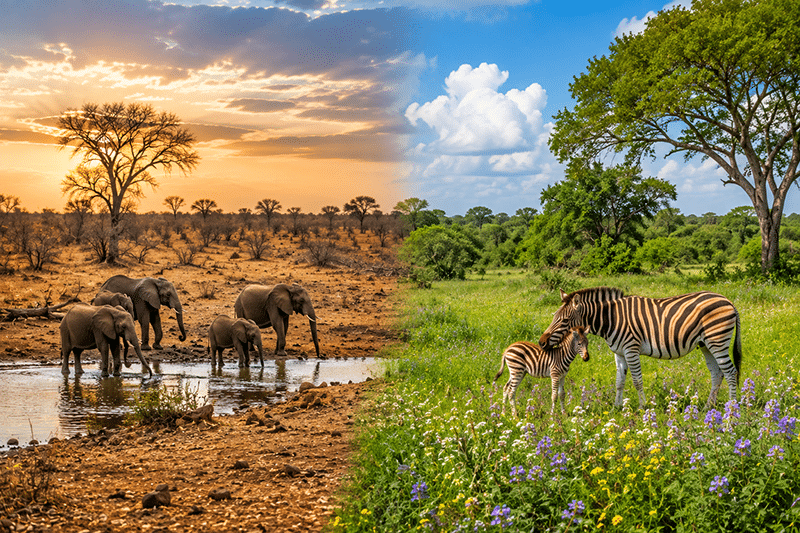
Africa’s safari calendar is generally divided into two main seasons: the dry season and the green season.
Each offers unique advantages, and neither is objectively better. The right choice depends on what you want to experience.
Dry season advantages
The dry season, typically from May to October in southern Africa, is considered the best time for wildlife viewing.
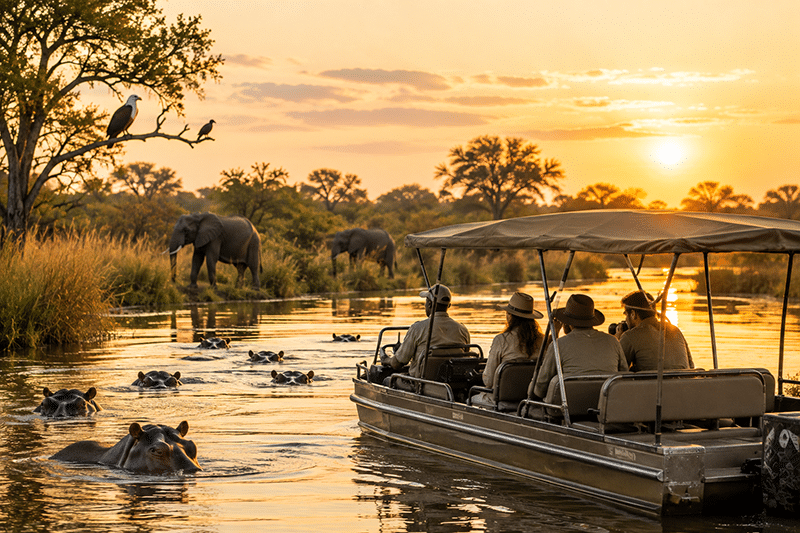
As water becomes scarce, animals gather around rivers, waterholes, and permanent water sources. This makes sightings more predictable and often more dramatic.
Vegetation is also thinner, which improves visibility and makes it easier to spot animals in the bush.
Green season benefits
The green season, from November to April, transforms the landscape into a lush and vibrant environment.
While wildlife may be more dispersed, this season offers beautiful scenery, fewer crowds, and excellent birdwatching opportunities. It is also the time when many animals give birth, attracting predators and creating dynamic wildlife interactions.
Best time for different safari goals
Choosing the best time to go on safari in Africa depends on what you want to prioritise.
For wildlife density
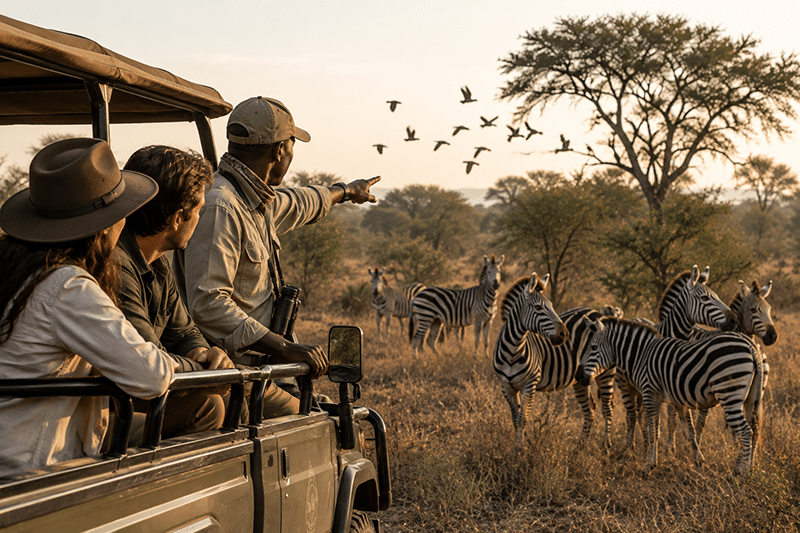
The dry season offers the highest concentration of animals and is ideal for first-time safari travellers looking for consistent sightings.
For photography
The green season provides dramatic skies, soft lighting, and vibrant colours, making it ideal for photographers.
For fewer crowds
Travelling during the green season allows for a quieter, more exclusive experience with fewer vehicles at sightings.
For iconic events
Certain events, such as the Great Migration in Serengeti National Park and the Masai Mara, depend heavily on timing. Planning around these events can create a truly unforgettable safari.
Regional differences to consider
Africa is vast, and seasons can vary depending on the region.
Southern Africa destinations like Botswana and South Africa follow a more defined dry and green season pattern.
East Africa, including Kenya and Tanzania, has more varied rainfall patterns, which can influence migration timing and wildlife movement.
Understanding these regional nuances helps you plan more effectively.
Balancing weather and comfort
Weather conditions also play a role in your safari experience.
Dry season mornings can be cold, especially in open vehicles, while afternoons are warm and pleasant. In contrast, the green season brings occasional rain showers, usually in the afternoon, but temperatures remain comfortable.
Choosing the right season involves balancing comfort with the type of experience you want.
Conclusion
There is no single best time to go on safari in Africa. Each season offers its own unique advantages, from exceptional wildlife viewing to lush landscapes and quieter travel experiences.
By understanding your priorities and aligning them with seasonal conditions, you can create a safari that feels perfectly tailored to you. If you are ready to start planning, you can plan your safari through https://awildlifeexpedition.com/contact-us/ and begin building your journey.