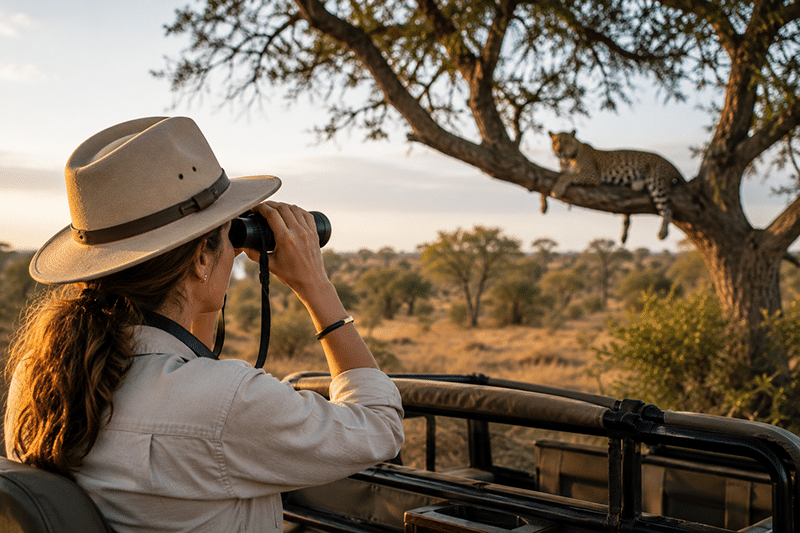
A safari is about far more than simply seeing animals. It is about understanding the landscape, reading the behaviour of wildlife, and experiencing Africa through the eyes of experts who know the bush intimately. This is why guided safaris continue to offer one of the most rewarding ways to explore Africa’s wilderness.
Whether you are travelling through Botswana, South Africa, or Tanzania, experienced guides can transform a good safari into an unforgettable one.
The value of expert wildlife knowledge
Professional safari guides spend years learning animal behaviour, tracking techniques, ecosystems, and conservation practices.
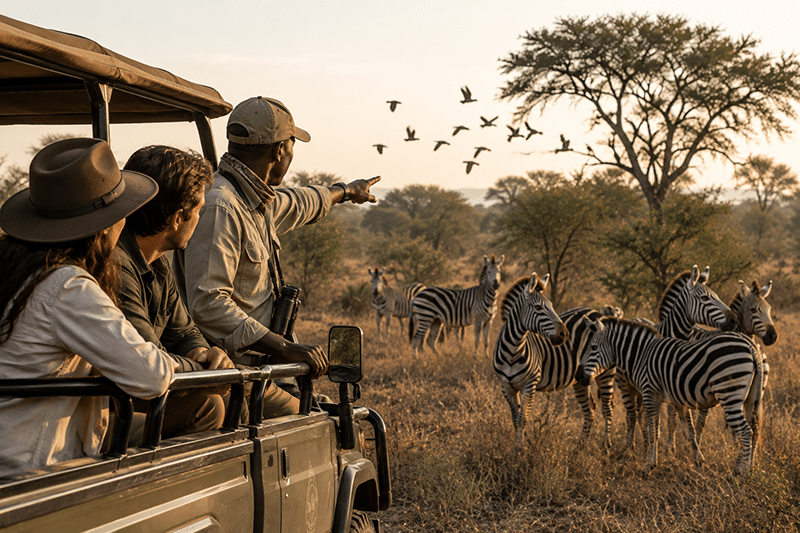
Their ability to interpret sounds, tracks, and subtle movements often leads to sightings that travellers would otherwise miss. A distant bird alarm call or a fresh footprint in the sand can quickly become an extraordinary wildlife encounter.
Guides also provide context and education, helping travellers understand not just what they are seeing, but why animals behave the way they do.
Better wildlife sightings
One of the biggest advantages of guided safaris is the quality of wildlife sightings.
Experienced guides communicate with one another, track animal movements, and know the best locations based on season and time of day. This significantly increases the chances of memorable encounters.
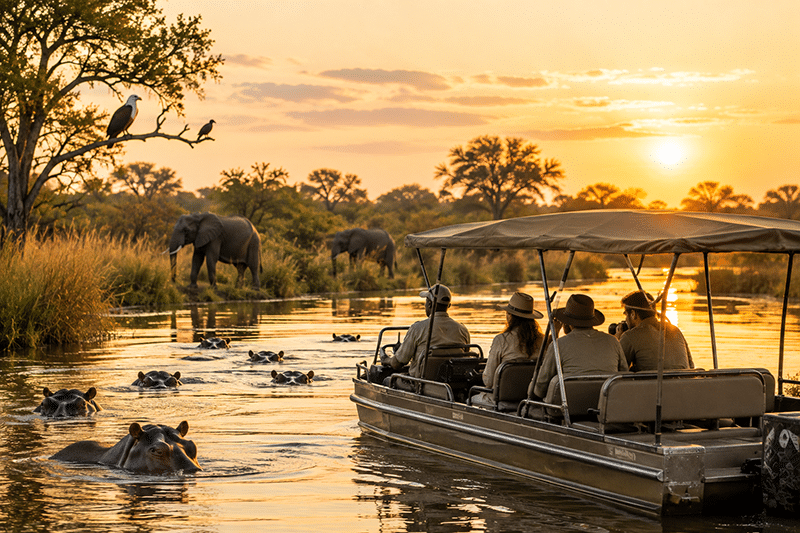
In destinations such as the Okavango Delta or the Masai Mara, local expertise can make the difference between simply driving through the bush and witnessing exceptional moments in nature.
Understanding the smaller details
Many first-time safari travellers focus only on large animals, but guided safaris reveal much more.
Guides introduce travellers to birds, insects, plants, animal tracks, and interconnected ecosystems. This deeper understanding creates a richer and more immersive safari experience.
The smaller details often become some of the most memorable parts of the journey.
Increased safety and confidence
Safari environments are wild and unpredictable, which makes expert guidance essential.
Professional guides are trained to assess animal behaviour, maintain safe distances, and handle unexpected situations calmly and responsibly. Their knowledge allows guests to relax and fully enjoy the experience with confidence.
This is particularly important during walking safaris or close wildlife encounters.
Access to unique experiences
Guided safaris often provide access to experiences that are difficult to arrange independently.
These may include:
- Tracking wildlife on foot
- Night drives
- Private conservancy access
- Cultural interactions with local communities
- Photography-focused safaris
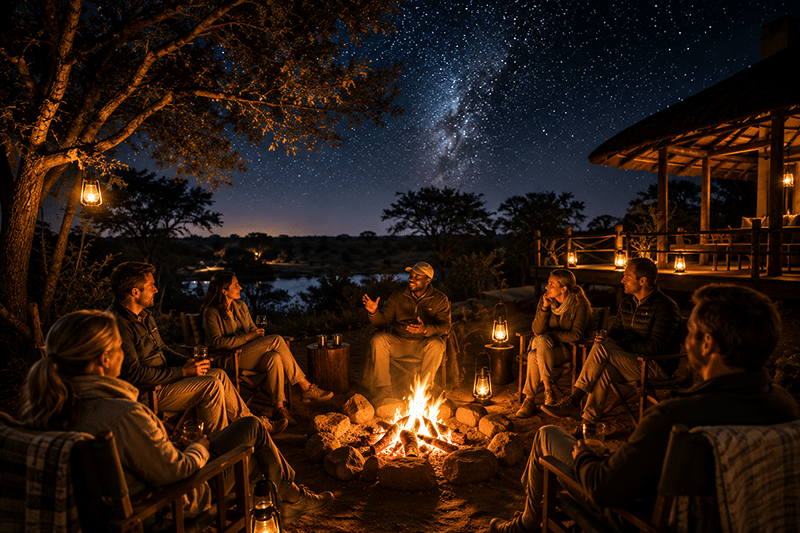
Having expert guidance enhances each activity and allows travellers to experience the bush in a more meaningful way.
Learning about conservation
Modern safaris are closely linked to conservation and sustainable tourism.
Guides play an important role in educating travellers about wildlife protection, habitat preservation, and the challenges facing Africa’s ecosystems. Organisations such as World Wildlife Fund continue to highlight the importance of responsible tourism in supporting conservation efforts.
Understanding these issues often deepens appreciation for the places and wildlife encountered during safari.
Conclusion
A guided safari offers far more than transportation through a wildlife reserve. It provides knowledge, safety, insight, and access to experiences that bring Africa’s wilderness to life.
From interpreting animal behaviour to sharing stories of the landscape, guides help create a deeper connection with the natural world. If you are ready to experience Africa with expert guidance, you can plan your safari through https://awildlifeexpedition.com/contact-us/ and begin building your journey.