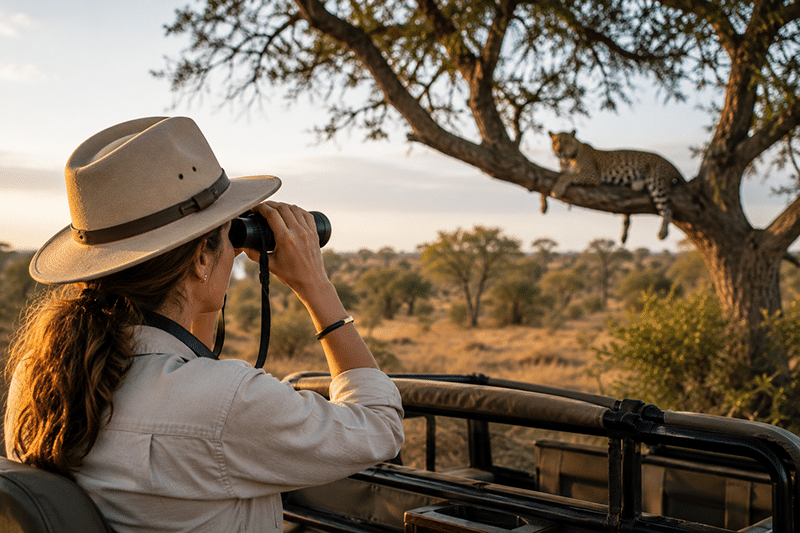
Planning a safari in Africa often involves choosing between staying in a national park or a private reserve. While both offer incredible wildlife experiences, they differ significantly in terms of access, exclusivity, activities, and overall atmosphere.
Understanding these differences can help you choose the safari experience that best suits your travel style, budget, and expectations.
Whether you are visiting South Africa, Botswana, or Kenya, knowing how these safari areas operate will make planning far easier.
What is a national park
National parks are government-managed conservation areas that protect wildlife and natural ecosystems.
These parks are generally larger and more accessible to the public. Visitors can often choose between guided safaris, self-drive experiences, or organised tours.
Well-known examples include Kruger National Park and Serengeti National Park, both of which attract travellers from around the world.
National parks usually offer:
- Larger landscapes and ecosystems
- More accommodation options
- Lower entry costs
- Self-drive opportunities in some regions
What is a private reserve
Private reserves are privately managed conservation areas, often bordering or connected to national parks.
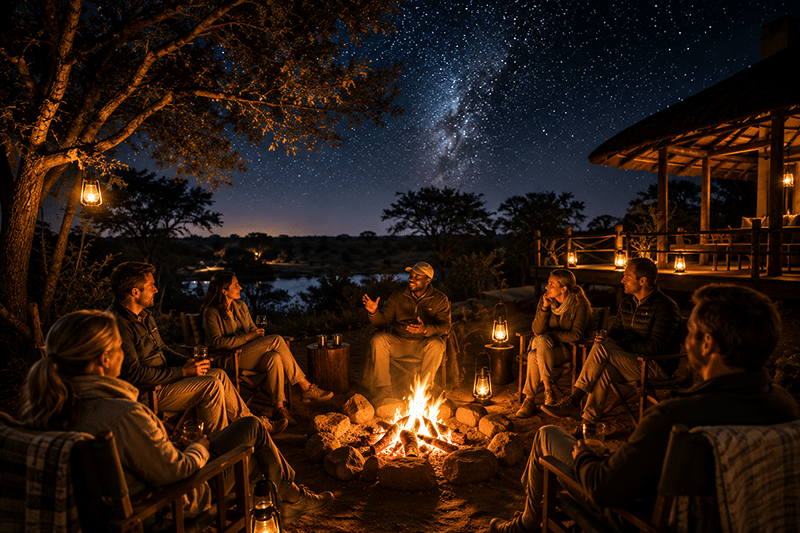
These reserves typically focus on exclusivity, personalised service, and lower guest numbers. Safari activities are usually guided and highly curated.
Many private reserves offer luxury lodges and more flexible wildlife viewing experiences, including off-road driving and night safaris.
In areas surrounding Kruger National Park, private reserves often share unfenced boundaries with the national park, allowing wildlife to move freely.
Wildlife viewing differences
Both national parks and private reserves offer exceptional wildlife viewing, but the experience itself can feel very different.
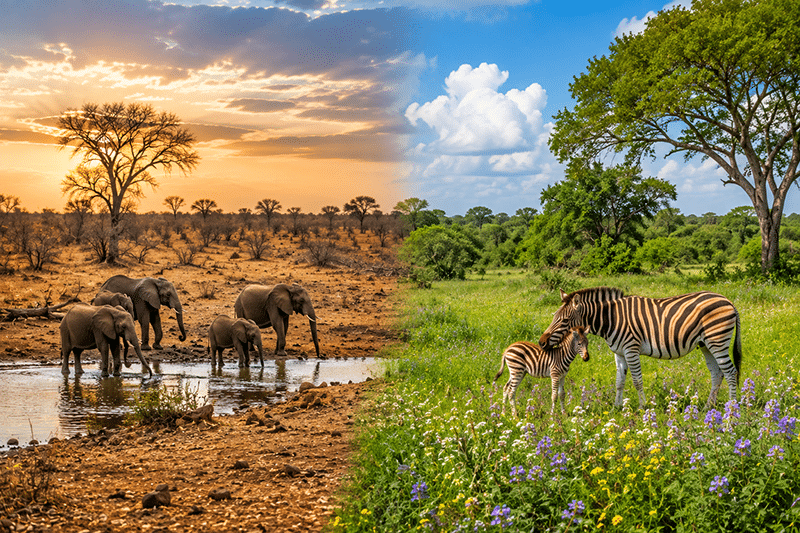
In national parks, sightings may involve more vehicles, especially during peak travel periods. However, the vast landscapes and diversity of wildlife remain highly impressive.
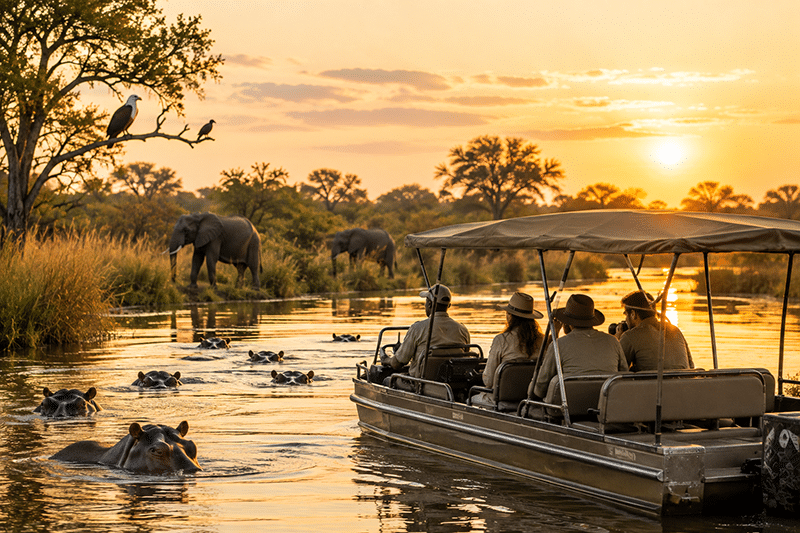
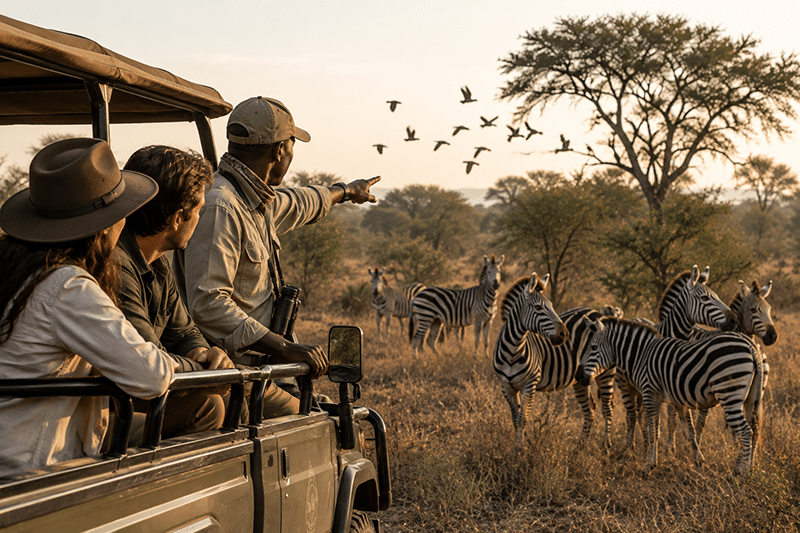
Private reserves generally provide more intimate sightings with fewer vehicles at each encounter. Guides may also have greater flexibility to position vehicles for photography or follow animals off-road where permitted.
Activities and safari flexibility
Private reserves often offer a broader range of guided experiences.
These may include:
- Walking safaris
- Night drives
- Bush dinners
- Photography-focused safaris
- Exclusive game drive routes
National parks, particularly self-drive destinations, tend to be more structured and regulated.
The type of experience you prefer will largely determine which option is best for you.
Accommodation and atmosphere
National parks usually cater to a wider range of travellers and budgets. Accommodation may range from simple camps to comfortable lodges.
Private reserves are generally more focused on luxury and exclusivity. Lodges often provide personalised service, gourmet dining, and premium safari experiences.
For travellers seeking privacy and a quieter atmosphere, private reserves can offer a more immersive escape.
Cost considerations
National parks are often more budget-friendly, particularly for self-drive travellers.
Private reserves are typically more expensive due to smaller guest numbers, luxury accommodation, and guided experiences. However, many travellers feel the exclusivity and level of service justify the higher cost.
Balancing your expectations with your budget is an important part of safari planning.
Conservation and responsible tourism
Both national parks and private reserves play important roles in conservation.
National parks protect vast ecosystems and wildlife populations, while private reserves often contribute through anti-poaching initiatives, habitat restoration, and community support projects.
Organisations such as World Wildlife Fund continue to support conservation efforts across Africa and highlight the importance of responsible tourism.
Conclusion
Choosing between a national park and a private reserve depends on the kind of safari experience you want.
National parks offer accessibility, scale, and flexibility, while private reserves provide exclusivity, guided expertise, and intimate wildlife encounters.
Both options can deliver unforgettable safari experiences when matched to the right traveller. If you are unsure which safari style suits you best, you can plan your safari through https://awildlifeexpedition.com/contact-us/ and receive expert guidance tailored to your journey.