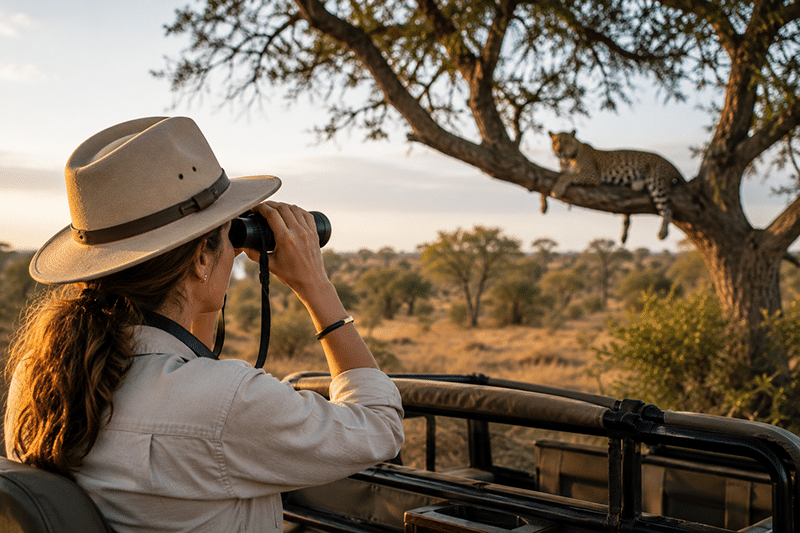
In a world where travel is often rushed and tightly scheduled, safari offers an opportunity to slow down and reconnect with nature in a more meaningful way. The most rewarding safari experiences are rarely about how many destinations you visit or how many animals you check off a list. Instead, they come from spending time in one place, observing the rhythm of the wilderness, and allowing the experience to unfold naturally.
Slow travel has become increasingly important in modern safari experiences across Botswana, South Africa, and Kenya, where travellers seek deeper connections rather than fast-paced itineraries.
Safari is about observation, not speed
Wildlife experiences cannot be rushed.
Animals move according to natural patterns, and some of the most incredible sightings happen when travellers spend time quietly observing rather than constantly moving from one location to another.
A pride of lions resting beneath a tree may seem inactive at first, but patience often reveals subtle interactions, movement, or even the beginning of a hunt. Slow travel allows these moments to unfold naturally.
Spending more time in one location
Many travellers make the mistake of trying to fit too many destinations into a single safari.
While Africa offers extraordinary diversity, constantly moving between camps and flights can reduce time spent actually experiencing the bush. Staying longer in one reserve allows travellers to become familiar with the landscape, wildlife behaviour, and daily rhythms of the environment.
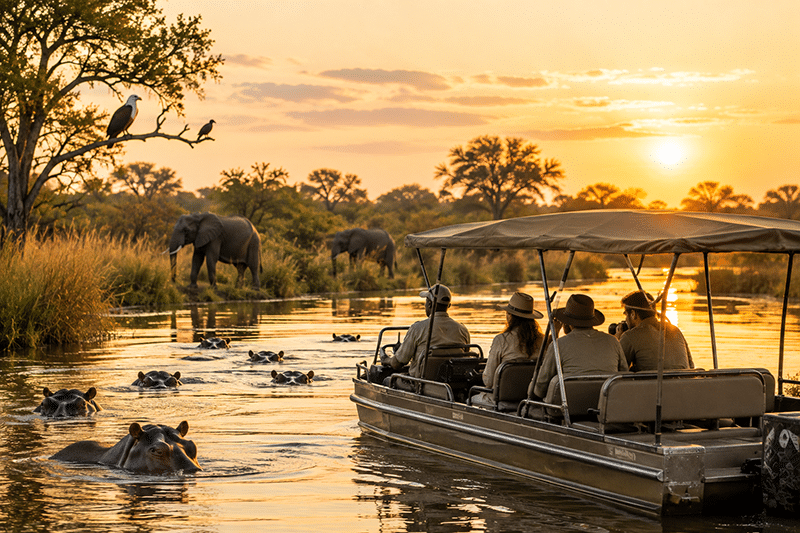
In places such as the Okavango Delta or the Masai Mara, extended stays often lead to richer wildlife encounters and a more immersive experience overall.
Deeper connections with guides and nature
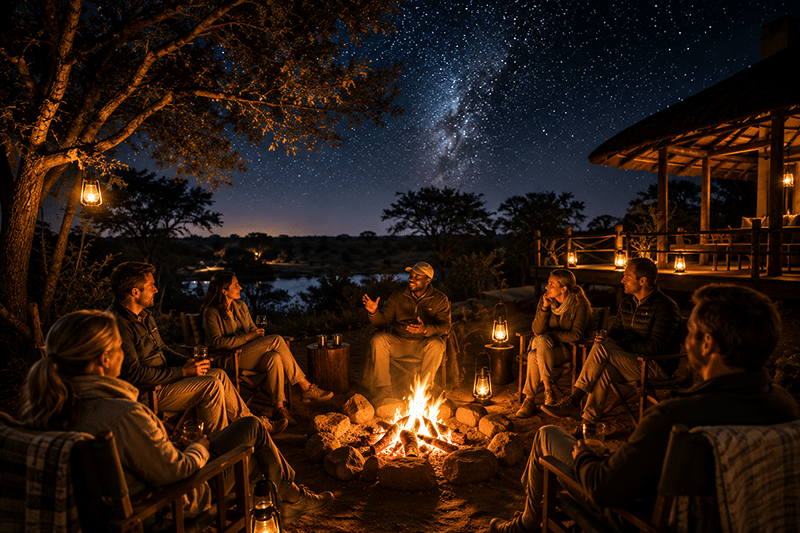
Slow travel also creates stronger connections with safari guides and lodge staff.
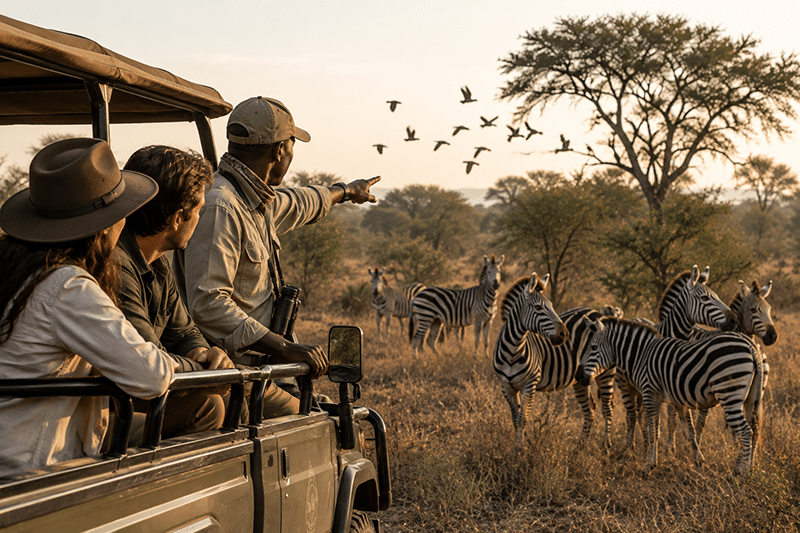
Over several days, guides begin to understand guests’ interests, whether they enjoy photography, birdlife, predators, or conservation discussions. This allows the experience to become more personalised and meaningful.
At the same time, travellers become more attuned to the sounds, atmosphere, and subtle details of the wilderness itself.
Less stress and more presence
A slower safari pace creates a calmer and more enjoyable experience.
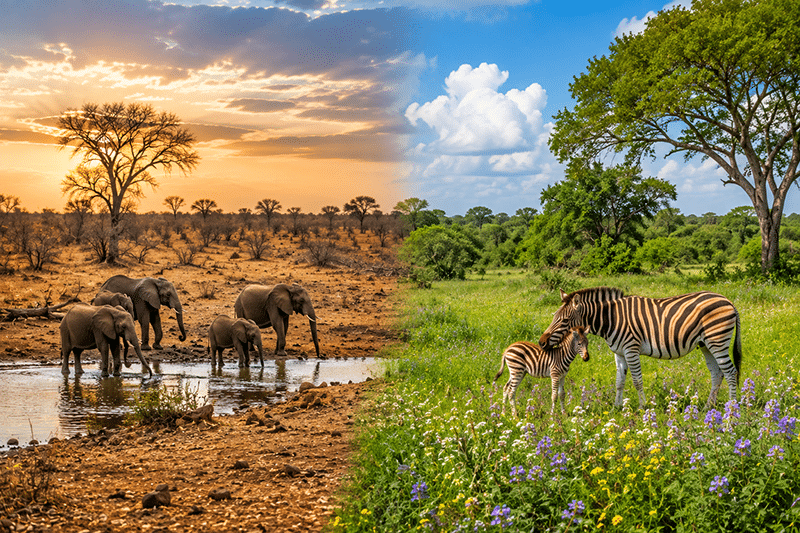
Instead of rushing between activities and destinations, travellers have time to relax, absorb their surroundings, and fully appreciate each moment. Simple experiences such as watching elephants at a waterhole or listening to birds at sunrise become highlights in themselves.
This slower pace often leads to a stronger emotional connection with the safari experience.
Better wildlife opportunities
Spending more time in one area can also improve wildlife sightings.
Guides become familiar with local animal movements and territories, increasing the chances of tracking specific species over several days. Returning to the same areas at different times of day often reveals entirely different wildlife activity.
Safari rewards patience far more than speed.
Supporting sustainable tourism
Slow travel also aligns closely with sustainable tourism practices.
Fewer flights, longer stays, and more meaningful travel experiences help reduce environmental impact while supporting local economies more effectively. Organisations such as World Wildlife Fund continue to encourage responsible and sustainable travel practices across Africa.
Choosing quality experiences over quantity benefits both travellers and conservation efforts.
Creating lasting memories
Many of the most powerful safari memories are not dramatic predator sightings, but rather quiet moments experienced over time.
Watching the changing light across the landscape, recognising individual animals, or becoming familiar with the sounds of the bush creates a sense of connection that cannot be achieved through rushed travel.
Slow safari travel allows these moments to become part of the journey.
Conclusion
Safari is one of the few travel experiences that truly rewards slowing down. The longer travellers spend immersed in nature, the more meaningful and memorable the experience becomes.
By embracing slow travel, safari becomes less about ticking off destinations and more about connection, presence, and understanding the wilderness. If you are ready to experience Africa at a more meaningful pace, you can plan your safari through https://awildlifeexpedition.com/contact-us/ and begin your journey.