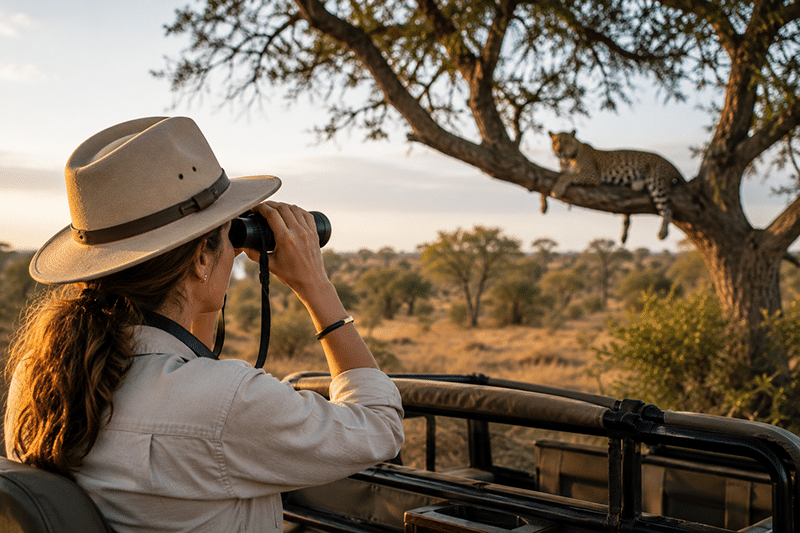
Photography safaris have become one of the fastest-growing safari experiences in Africa. While capturing incredible wildlife images is often the primary goal, many travellers discover that photography safaris offer much more than simply returning home with beautiful pictures.
Photography encourages patience, observation, and a deeper connection with the natural world. It changes the way travellers experience wildlife and often creates a greater appreciation for the ecosystems they visit.
Whether exploring Botswana, South Africa, or Kenya, photography safaris provide a unique perspective on Africa’s wilderness.
Slowing down and observing more carefully
Photography naturally encourages travellers to slow down.
Rather than rushing between sightings, photographers often spend extended periods observing animal behaviour, waiting for the perfect light, or anticipating a specific moment. This patience frequently leads to a deeper understanding of wildlife and a more immersive safari experience.
Many travellers find they notice details they would otherwise miss.
Learning animal behaviour
Successful wildlife photography relies heavily on understanding animal behaviour.
Photographers learn to anticipate movement, recognise behavioural patterns, and observe interactions between animals. These skills often lead to better wildlife encounters even when photography is not the primary focus.
Understanding behaviour creates a stronger connection with the animals being photographed.
Appreciating light and landscapes
Photography safaris are not only about wildlife.
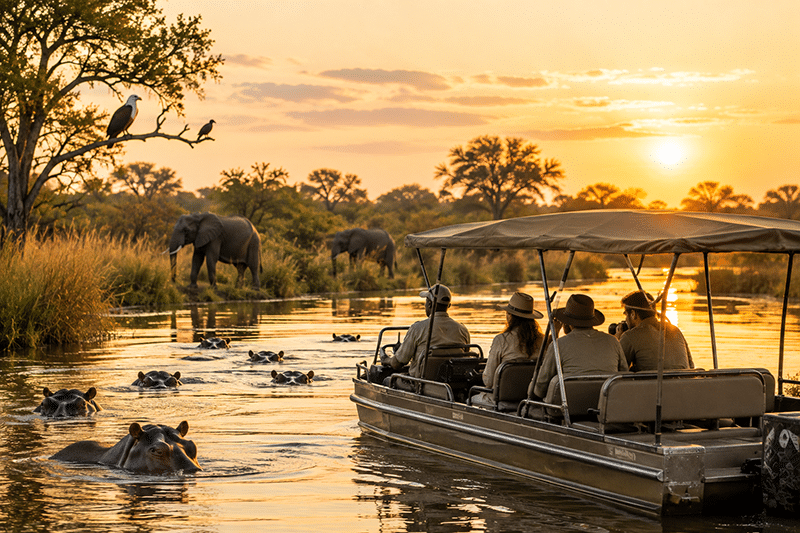
The changing light across the African landscape often becomes just as important as the animals themselves. Sunrise, sunset, dramatic weather conditions, and seasonal changes all influence the mood and atmosphere of a photograph.
Destinations such as the Okavango Delta offer exceptional opportunities to capture both wildlife and landscapes in beautiful natural light.
Every sighting becomes unique
Even common animals can become fascinating subjects through photography.
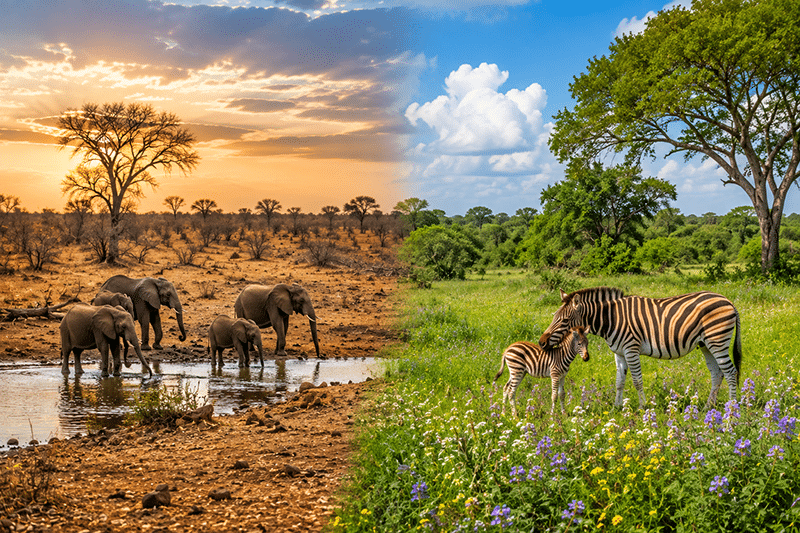
A zebra drinking at a waterhole, an elephant silhouetted against a sunset, or a bird perched on a branch can all produce striking images when viewed creatively.
Photography encourages travellers to look beyond rare species and appreciate every wildlife encounter.
Creating lasting memories
While photographs serve as tangible reminders of a journey, the process of creating them often becomes equally memorable.
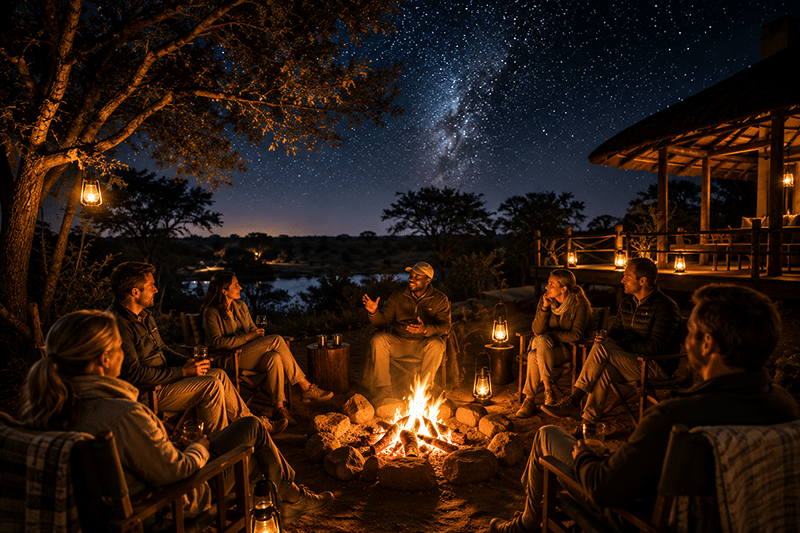
The early mornings, shared excitement with guides, anticipation before a sighting, and patience required to capture a special moment all become part of the experience itself.
Many photographers remember the story behind the image as vividly as the image itself.
Suitable for all experience levels
Photography safaris are not only for professional photographers.
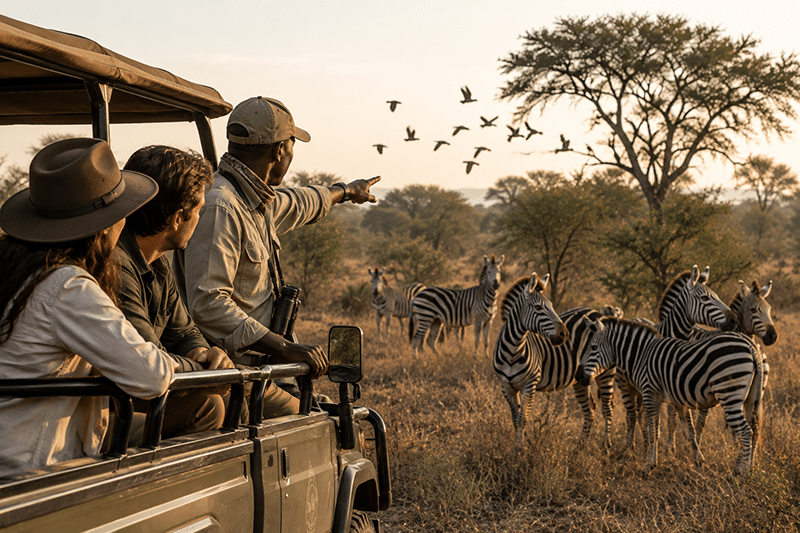
Beginners, hobbyists, and smartphone users can all benefit from photography-focused experiences. Guides often help guests improve observation skills and position vehicles for optimal viewing, regardless of camera equipment.
The focus is often on enjoying the process rather than achieving perfection.
Supporting conservation through imagery
Wildlife photography can also play an important role in conservation.
Powerful images help raise awareness about endangered species, habitat protection, and conservation challenges. Organisations such as World Wildlife Fund continue to use photography as a tool for education and conservation advocacy.
Photography allows travellers to become ambassadors for the places and wildlife they encounter.
More than a collection of images
Many travellers arrive hoping to capture impressive photographs but leave with something far more valuable.
Photography encourages mindfulness, patience, curiosity, and a deeper appreciation for the natural world. The experience often becomes less about collecting images and more about understanding the environments being photographed.
This perspective frequently transforms the entire safari journey.
Conclusion
Photography safaris are about far more than cameras and photographs. They encourage travellers to slow down, observe carefully, and connect more deeply with Africa’s extraordinary wildlife and landscapes.
While stunning images are often the result, the greatest reward is often the experience itself. If you are ready to discover Africa through a photographer’s lens, you can plan your safari through https://awildlifeexpedition.com/contact-us/ and begin your journey.