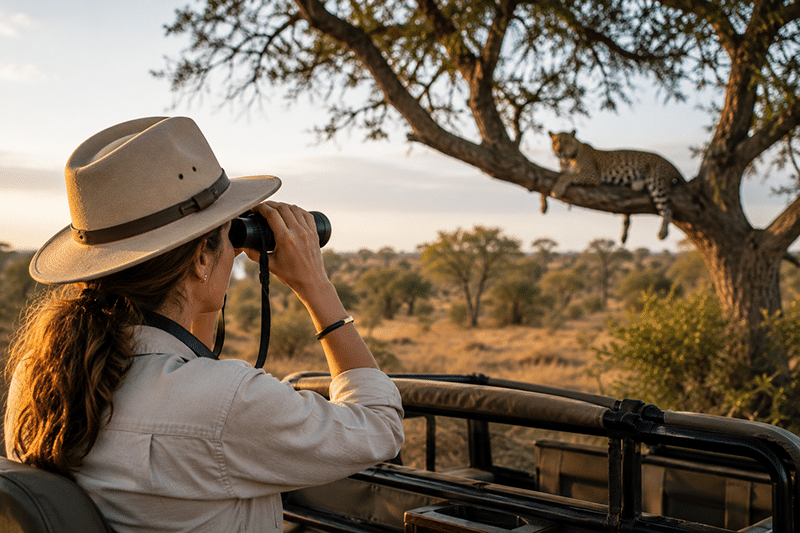
One of the most common questions first-time safari travellers ask is: “When is the best time to go on safari?”
The answer depends on what you hope to experience. Africa’s wildlife destinations change dramatically throughout the year, and each season offers its own advantages. Understanding these seasonal differences can help you choose the safari experience that best matches your interests.
Whether travelling to Botswana, South Africa, or Tanzania, timing can influence everything from wildlife sightings to landscapes and photography opportunities.
The dry season and wildlife viewing
The dry season is often considered the best time for traditional wildlife viewing.
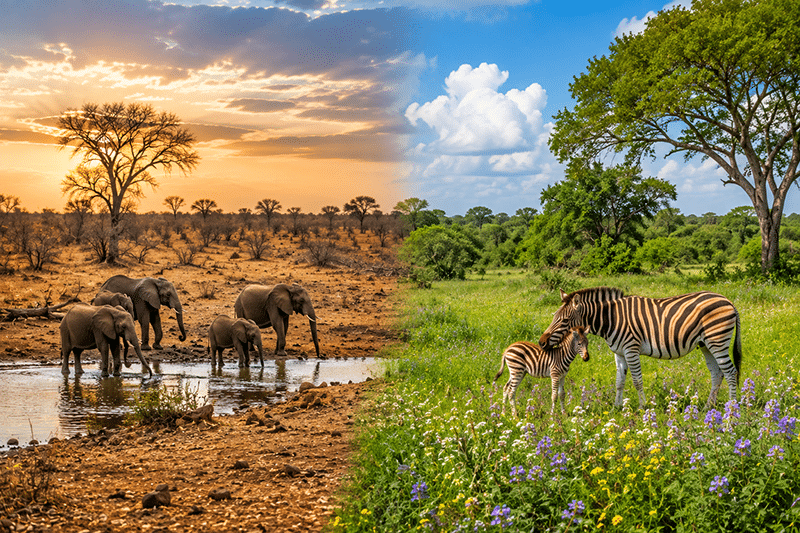
As water sources become limited, animals gather around rivers, waterholes, and permanent water supplies. Vegetation is also thinner, making wildlife easier to spot.
This creates excellent opportunities to see large concentrations of animals and increases the chances of predator sightings.
Many travellers seeking Big Five experiences choose to travel during the dry season for these reasons.
The green season offers a different beauty
While the dry season receives much of the attention, the green season can be equally rewarding.
Seasonal rains transform the landscape into a lush and vibrant environment. Rivers begin flowing, grasslands become green, and many animals give birth during this period.
The scenery is often at its most beautiful, creating stunning opportunities for photography and nature enthusiasts.
Birdwatching reaches its peak
For birdwatchers, the green season is often the most exciting time of year.
Migratory species arrive from other parts of the world, breeding plumage becomes more colourful, and bird activity increases significantly.
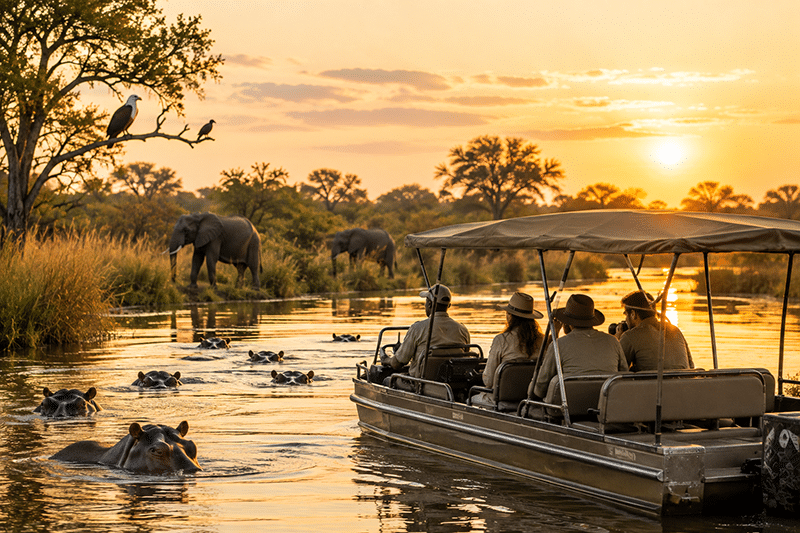
Destinations such as the Okavango Delta become particularly rewarding for birdwatching during seasonal flooding and migration periods.
Fewer visitors and greater exclusivity
Travelling outside peak safari seasons often comes with additional benefits.
Many destinations receive fewer visitors during shoulder and green seasons, creating a quieter and more exclusive experience. Lodges may also offer attractive seasonal rates, providing excellent value for travellers seeking luxury safari experiences.
For some travellers, avoiding peak crowds is just as important as wildlife viewing.
Seasonal wildlife events
Certain wildlife events occur only at specific times of the year.
The most famous example is the Great Migration through the Serengeti National Park and the Masai Mara ecosystem.
Other regions experience seasonal movements linked to rainfall, food availability, and breeding cycles. Understanding these events can help travellers plan around specific wildlife experiences.
Photography opportunities vary by season
Each season presents unique photographic opportunities.
The dry season often provides cleaner backgrounds and concentrated wildlife activity, while the green season offers dramatic skies, lush scenery, and vibrant colours.
Photographers often choose travel dates based on the type of images they hope to capture rather than simply focusing on wildlife density.
There is no single “best” time
Perhaps the most important thing to remember is that there is no universal best time for safari.
The ideal season depends entirely on your interests. Some travellers prioritise predator sightings, others prefer birdwatching, photography, scenery, or quieter travel periods.
A well-planned safari considers these personal preferences rather than relying on a single definition of the “best” season.
Conservation and seasonal ecosystems
Seasonal changes are a vital part of Africa’s ecosystems.
Wildlife movements, breeding cycles, vegetation growth, and migration patterns all depend on natural seasonal rhythms. Organisations such as World Wildlife Fund continue to support conservation efforts that help preserve these natural cycles and the habitats that depend on them.
Understanding seasonality often leads to a greater appreciation of how ecosystems function.
Conclusion
Safari seasons play an important role in shaping wildlife experiences, landscapes, and travel opportunities. From concentrated wildlife viewing during the dry season to vibrant scenery and birdlife during the green season, each period offers something unique.
The best safari season is ultimately the one that aligns with your interests and expectations. If you are unsure when to travel, you can plan your safari through https://awildlifeexpedition.com/contact-us/ and receive expert guidance tailored to your ideal safari experience.