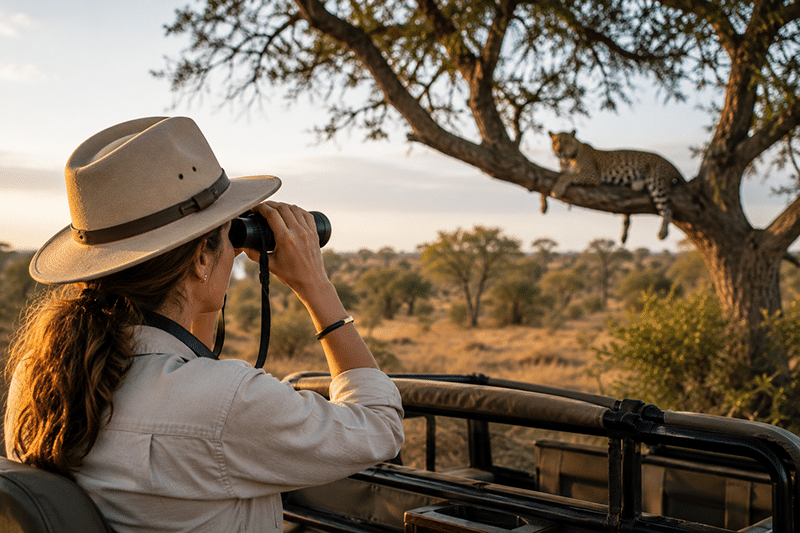
As travellers become increasingly aware of their environmental impact, sustainable tourism has become more important than ever. While travel can place pressure on natural environments, well-managed safaris have the potential to contribute positively to conservation, local communities, and the protection of wildlife.
When practised responsibly, safari tourism creates a powerful connection between travel and conservation, allowing visitors to experience extraordinary wildlife while helping to protect it.
Whether travelling through Botswana, Namibia, or South Africa, sustainable safari experiences play an important role in preserving Africa’s natural heritage.
Tourism helps protect wildlife habitats
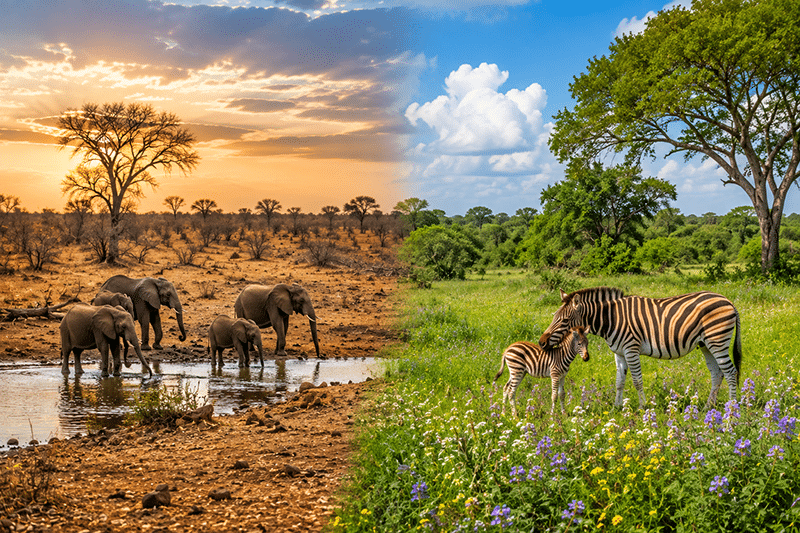
Many of Africa’s most important wildlife areas are protected in part through tourism revenue.
National parks, private reserves, and conservancies rely on visitor income to fund conservation activities, habitat management, anti-poaching efforts, and wildlife monitoring programmes.
Without sustainable tourism, many protected areas would face significant challenges in maintaining the ecosystems that support wildlife populations.
Safari supports local communities
Responsible safari tourism creates employment opportunities and supports local economies.
Guides, trackers, lodge staff, conservation teams, drivers, artisans, and community businesses all benefit from the tourism industry. Many safari operators also invest directly in local education, healthcare, and infrastructure projects.
When communities benefit from conservation and tourism, long-term wildlife protection becomes more sustainable.
Low-impact tourism models
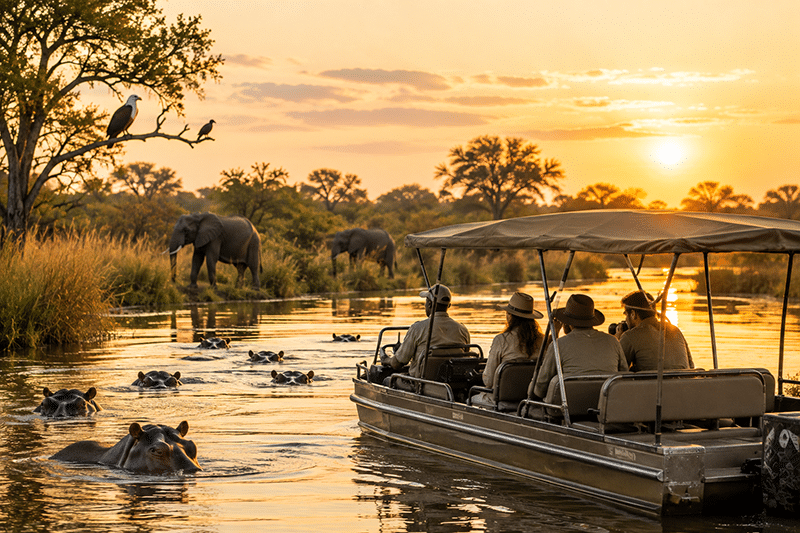
Many safari experiences are designed to minimise environmental impact.
Small guest numbers, carefully managed lodges, restricted vehicle access, and conservation-focused management practices help reduce pressure on ecosystems. Compared with many forms of mass tourism, safari often prioritises quality experiences over high visitor volumes.
This approach helps preserve the wilderness character that attracts travellers in the first place.
Conservation becomes part of the experience
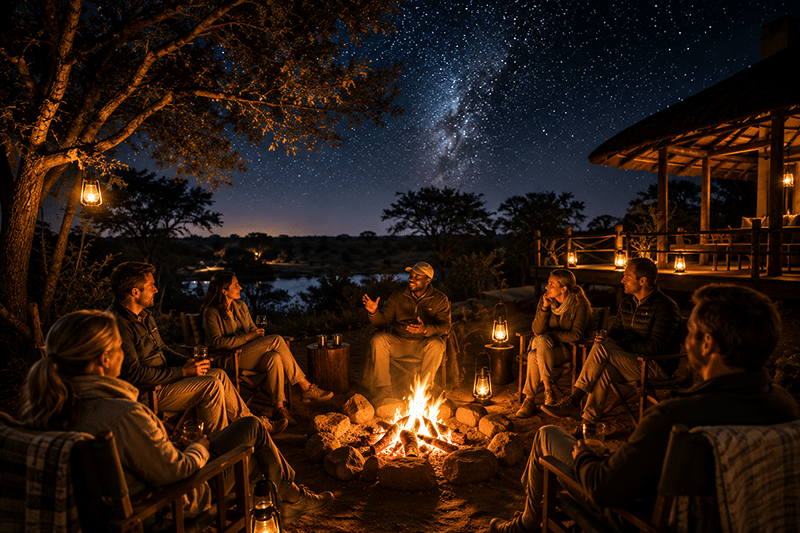
One of the unique aspects of safari travel is that conservation often becomes an integral part of the journey itself.
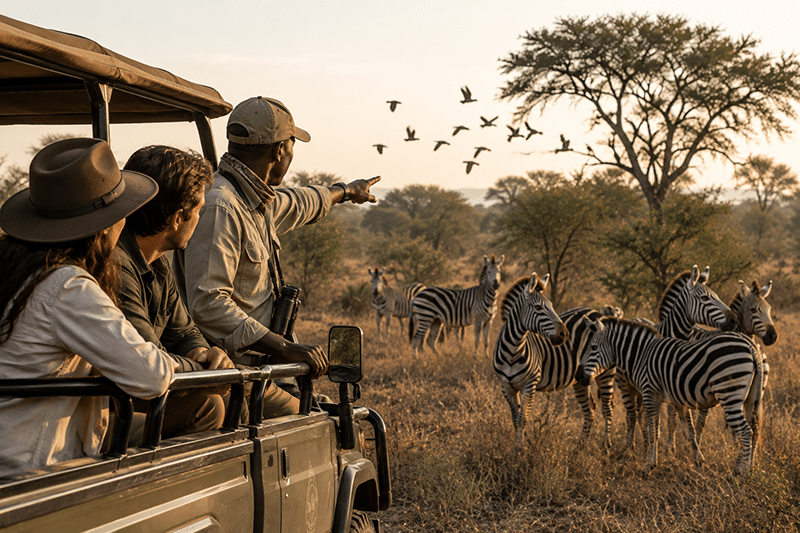
Travellers frequently learn about wildlife management, habitat restoration, anti-poaching initiatives, and conservation challenges directly from guides and conservation teams.
This educational aspect creates a stronger connection between visitors and the environments they are exploring.
Sustainable lodges continue to innovate
Many safari lodges are investing heavily in sustainable practices.
Solar power, water recycling systems, low-impact building techniques, waste reduction programmes, and locally sourced materials are becoming increasingly common across Africa’s leading safari destinations.
These innovations help reduce environmental impact while maintaining exceptional guest experiences.
Wildlife tourism creates global awareness
Experiencing wildlife in its natural environment often changes how people view conservation.
Many travellers return home with a deeper understanding of biodiversity loss, habitat protection, and environmental sustainability. This increased awareness can inspire long-term support for conservation initiatives and responsible travel practices.
Safari experiences frequently create lifelong conservation advocates.
Not all tourism is equally sustainable
It is important to recognise that not every safari experience is equally beneficial.
Travellers should seek operators and lodges that prioritise ethical wildlife viewing, conservation support, local community involvement, and sustainable operating practices. Organisations such as World Wildlife Fund continue to promote responsible tourism as an important conservation tool.
Choosing carefully helps ensure that travel contributes positively to both people and wildlife.
Why sustainable travel matters more than ever
As environmental pressures continue to grow globally, sustainable travel choices become increasingly important.
Responsible safari tourism demonstrates that conservation and tourism can work together to protect wildlife while creating meaningful experiences for travellers.
This balance represents one of the most powerful examples of tourism supporting environmental protection.
Conclusion
Safari is far more than a wildlife holiday. When managed responsibly, it becomes a form of travel that supports conservation, protects habitats, empowers communities, and creates deeper connections between people and nature.
By choosing ethical safari experiences, travellers help ensure that Africa’s extraordinary wildlife and landscapes remain protected for future generations. If you are ready to experience one of the world’s most sustainable travel experiences, you can plan your safari through https://awildlifeexpedition.com/contact-us/ and begin your journey.