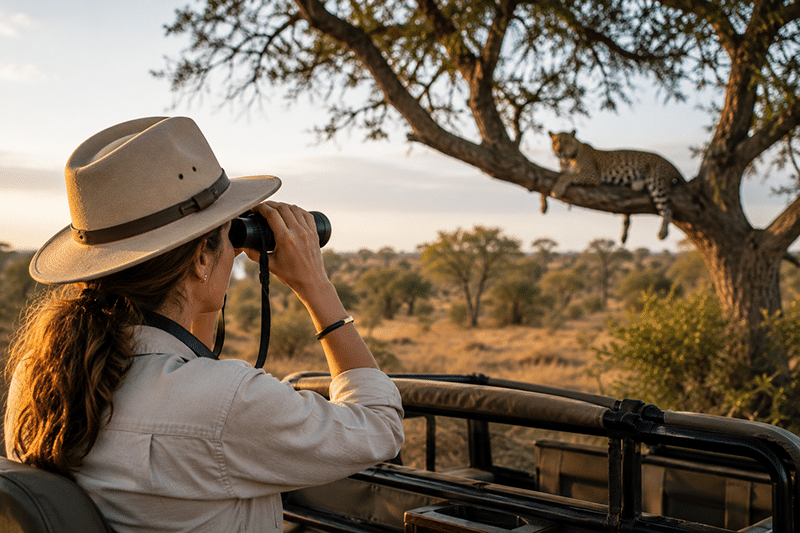
When planning a safari, it can be tempting to visit as many destinations as possible. After all, Africa is filled with incredible parks, reserves, and landscapes. However, experienced safari travellers often discover that slowing down and spending more time in fewer places leads to a richer and more rewarding experience.
Rather than rushing from one destination to the next, staying longer allows travellers to immerse themselves in the rhythms of the wilderness, build connections with guides, and experience wildlife in a more meaningful way.
Whether staying in Botswana, Namibia, or South Africa, a slower safari often becomes the most memorable one.
Wildlife changes from day to day
The wilderness is constantly evolving.
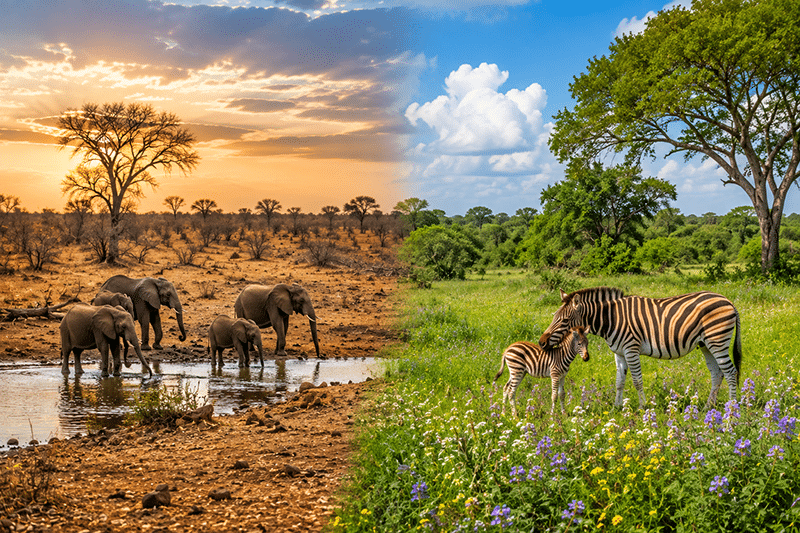
Animals move across the landscape, weather conditions change, and new opportunities appear every day. A pride of lions may be resting one afternoon and actively hunting the next morning. A waterhole that seemed quiet yesterday may become the centre of activity today.
Spending several days in one area allows travellers to experience these natural changes.
Guides get to know your interests
The longer you stay, the more personalised your safari becomes.
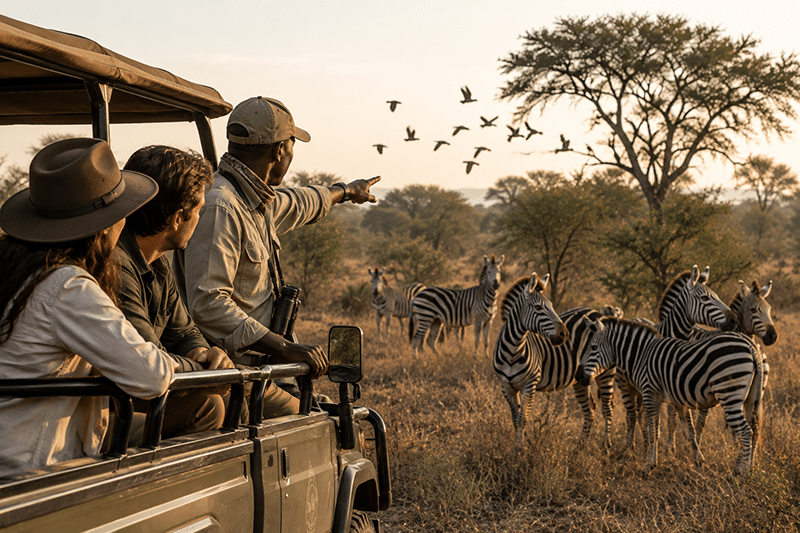
Experienced guides quickly learn what interests each guest. Some travellers love birdwatching, others enjoy photography, while some are fascinated by animal behaviour or conservation.
Over several days, guides can tailor game drives and activities to match your interests, creating a far more rewarding experience.
Familiar landscapes reveal hidden details
Returning to the same areas each day allows travellers to notice subtle changes they might otherwise miss.
You begin recognising individual animals, observing seasonal changes, and understanding how different species interact within the same ecosystem.
The landscape gradually becomes familiar, making every game drive feel more meaningful.
Less travelling, more experiencing
Frequent transfers between destinations can reduce valuable safari time.
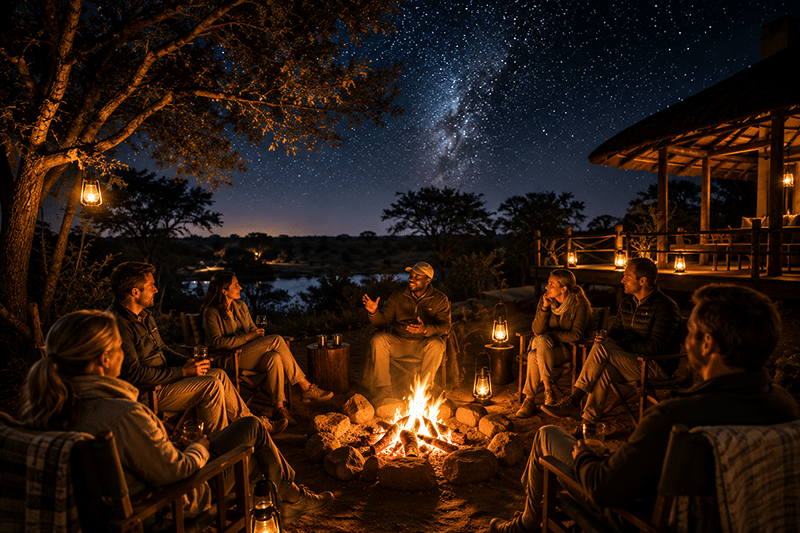
Long road journeys, flights, and check-ins often mean less time spent in the bush. By reducing unnecessary travel, guests enjoy more game drives, leisurely breakfasts overlooking the wilderness, peaceful afternoons at the lodge, and relaxed evenings around the campfire.
The experience becomes about quality rather than quantity.
Unexpected encounters become more likely
One of safari’s greatest joys is witnessing wildlife behaving naturally.
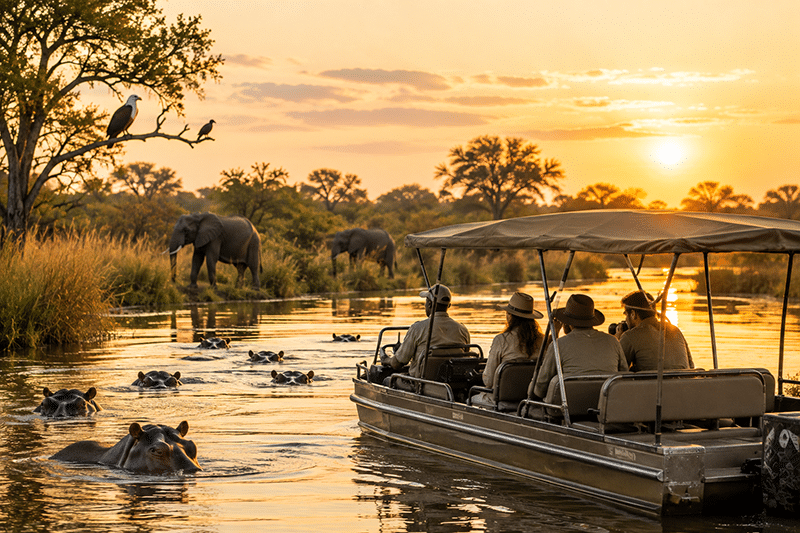
The longer you spend in one place, the greater the chance of experiencing unexpected sightings or observing animal behaviour over multiple days. Watching the same elephant herd grow familiar with a waterhole or following a leopard’s movements across several game drives creates a fascinating story.
Time often rewards patience.
A deeper connection with the wilderness
Spending several days immersed in one environment encourages a stronger connection with nature.
The sounds become familiar, the changing light feels more noticeable, and the rhythms of the bush begin to make sense. Many travellers describe reaching a point where they stop simply looking for animals and start feeling part of the landscape itself.
This connection is difficult to achieve during a fast-paced itinerary.
Sustainable travel often means slower travel
Choosing to stay longer in fewer places can also reduce the environmental impact of travel.
Fewer transfers mean less transport while supporting lodges and conservation areas over a longer period. Organisations such as World Wildlife Fund continue to promote responsible tourism that supports long-term conservation and sustainable travel practices.
Travelling more slowly often benefits both travellers and the environments they visit.
Conclusion
A safari is not a race to see the most destinations. It is an opportunity to experience Africa’s wilderness in a deeper and more meaningful way.
By spending more time in one place, travellers often enjoy richer wildlife encounters, stronger connections with guides, and a greater appreciation for the landscapes around them. If you are ready to experience the rewards of a slower safari, you can plan your safari through https://awildlifeexpedition.com/contact-us/ and begin your journey.