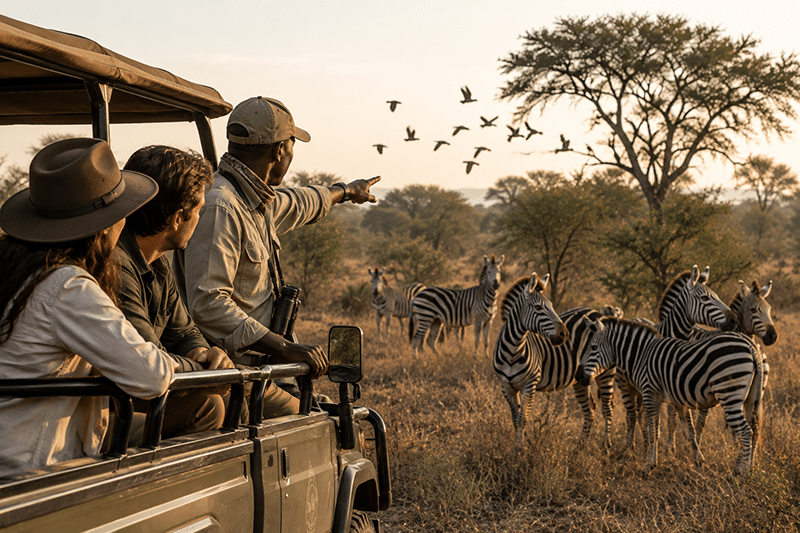
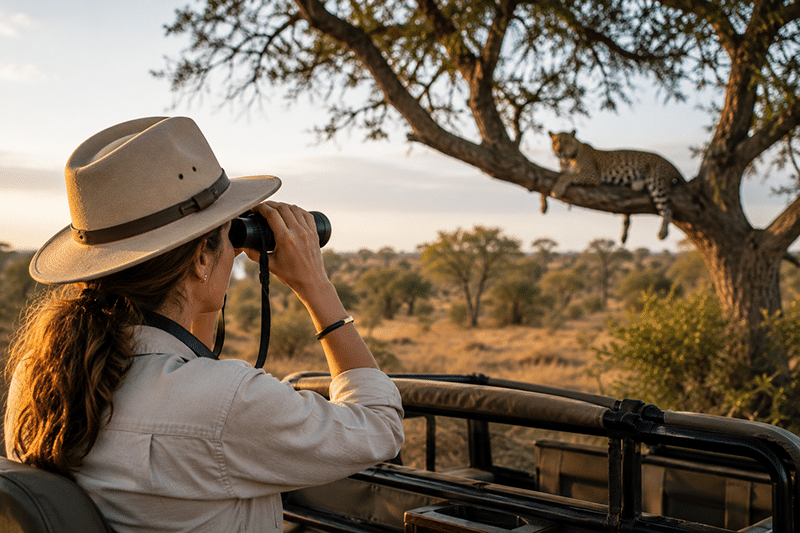
When most people imagine an African safari, they picture lions, elephants, rhinos, and other iconic wildlife. While these magnificent animals certainly deserve their reputation, some of the most fascinating safari experiences involve creatures that are easy to overlook.
From colourful beetles and tiny frogs to remarkable reptiles and industrious insects, Africa’s smallest wildlife plays an essential role in keeping ecosystems healthy and balanced. Taking time to appreciate these often-overlooked species reveals an entirely new side of the wilderness.
Whether exploring Botswana, South Africa, or Namibia, the little things often become some of the biggest surprises.
Tiny creatures keep ecosystems alive
Every healthy ecosystem depends on small animals.
Insects pollinate plants, termites recycle nutrients into the soil, spiders help control insect populations, and frogs contribute to balanced food chains. Without these smaller species, Africa’s famous wildlife would struggle to survive.
The smallest animals often perform the biggest jobs.
Dung beetles are nature’s engineers
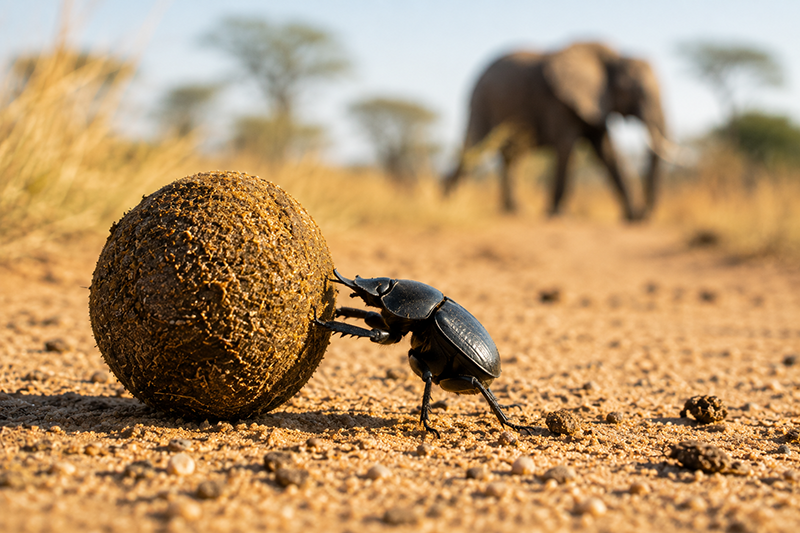
One of Africa’s hardest-working animals is also one of its smallest.
Dung beetles quickly recycle animal waste back into the soil, improving soil quality, reducing parasites, and helping seeds germinate. Watching a dung beetle carefully roll its perfectly shaped ball across the ground is surprisingly fascinating.
Many safari guides consider them one of the bush’s most remarkable insects.
Colourful reptiles are everywhere
While attention often focuses on mammals, reptiles add incredible diversity to the safari experience.
Agamas bask in the sun displaying brilliant colours, geckos expertly climb trees and rocks, and small lizards dart between grasses searching for insects.
These reptiles are perfectly adapted to their environments and reward those who take the time to look closely.
Butterflies and dragonflies brighten the landscape
Africa’s waterways and flowering plants attract an incredible variety of butterflies and dragonflies.
Their vibrant colours and graceful movements add life to rivers, wetlands, and forests. During the green season, these delicate insects become particularly abundant, creating beautiful photographic opportunities.
Sometimes the smallest wildlife provides the brightest colours.
Birds often reveal hidden wildlife
Small birds do far more than create beautiful dawn choruses.
Many species alert other animals to approaching predators through alarm calls. Oxpeckers remove parasites from large mammals, while bee-eaters help regulate insect populations.
Watching these interactions provides valuable insight into how different species depend on one another.
Looking closer reveals hidden wonders
The pace of safari encourages careful observation.
Instead of always searching the horizon for large mammals, take a moment to examine flowers, fallen logs, tree bark, and riverbanks. You may discover insects, reptiles, frogs, or birds that many visitors never notice.
The bush rewards curiosity at every scale.
Every species matters
Conservation is about protecting entire ecosystems, not just the most famous animals.
Healthy populations of insects, amphibians, reptiles, birds, and small mammals support the larger wildlife that attracts visitors from around the world. Organisations such as World Wildlife Fund continue to emphasise the importance of protecting biodiversity at every level.
Every creature has an important role to play.
A safari becomes richer when you slow down
Many experienced safari travellers eventually discover that the joy of safari extends far beyond the Big Five.
Learning about smaller species creates a deeper appreciation for the complexity of Africa’s ecosystems and often leads to some of the most rewarding discoveries.
Sometimes the most unforgettable wildlife is only a few centimetres long.
Conclusion
Africa’s smallest safari animals may not appear on every travel brochure, but they are every bit as fascinating as the continent’s famous giants. By taking the time to notice insects, reptiles, amphibians, and small birds, travellers gain a richer understanding of the incredible ecosystems that make safari so special.
The next time you venture into the bush, remember that some of the greatest discoveries happen when you simply look a little closer. If you are ready to experience every side of Africa’s wildlife, you can plan your safari through https://awildlifeexpedition.com/contact-us/ and begin your journey.