The Okavango Delta is one of Africa’s most extraordinary landscapes. Each year, floodwaters travel hundreds of kilometres from the Angolan highlands, spreading slowly across the plains of northern Botswana. Instead of flowing to the sea, the water disappears into sand and grass, creating a vast inland delta that supports an abundance of life.
Visiting the Okavango Delta is not simply about wildlife sightings. It is about movement, water, and time, and how these elements shape an experience that feels both immersive and deeply personal.
The character of the Okavango Delta
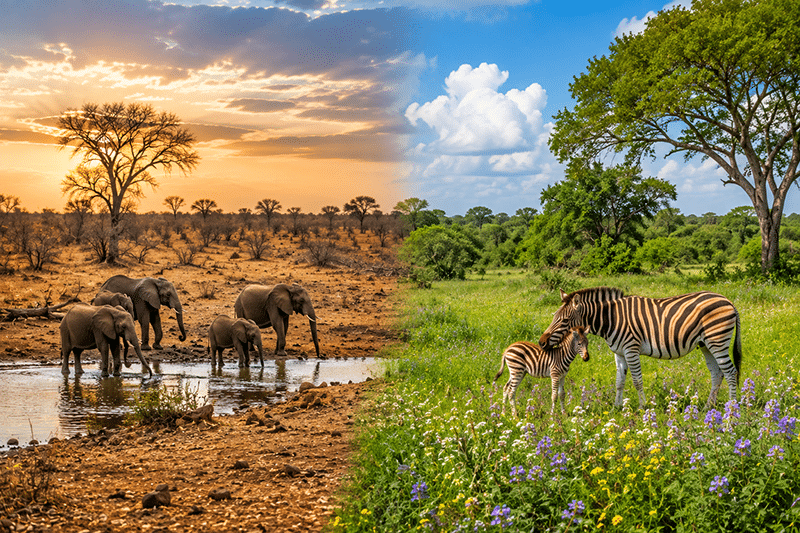
What sets the Okavango apart is its seasonal transformation. As floodwaters arrive, dry plains turn into channels, lagoons, and islands. This shift draws wildlife toward the water and creates ever-changing patterns across the landscape.
The delta is defined by balance. Water brings life, but it also dictates where animals move, where camps are placed, and how people travel through the region. Every visit feels different, shaped by timing and natural rhythm rather than fixed expectations.
Wildlife in the delta
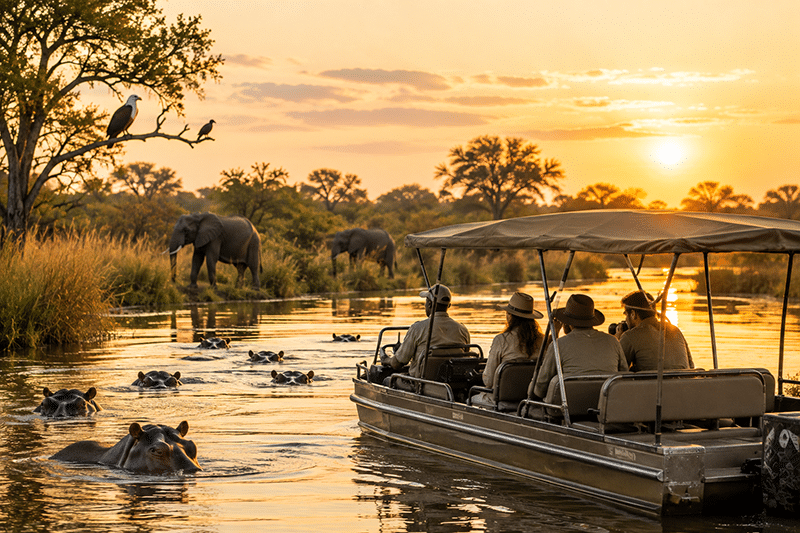
The Okavango Delta supports one of the richest concentrations of wildlife in Botswana. Elephants, buffalo, antelope, and predators all rely on the waterways and floodplains for survival.
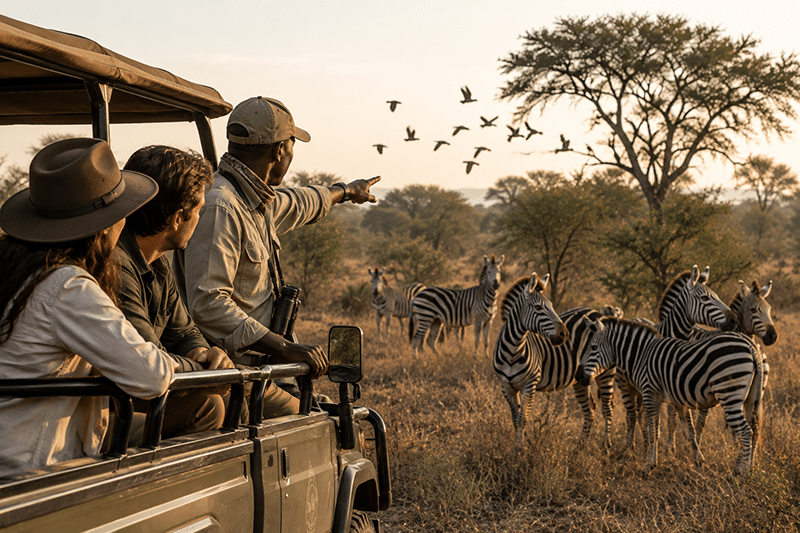
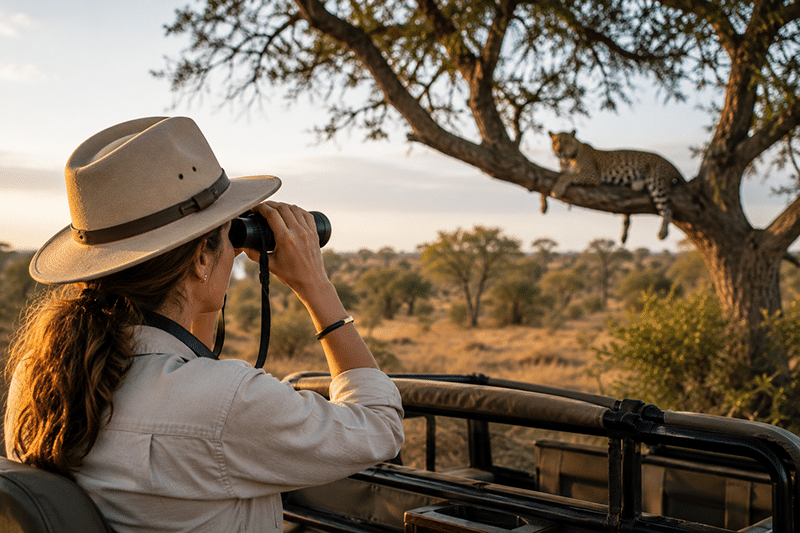
Game viewing here often feels unhurried. Animals move naturally through open spaces, and sightings unfold through observation rather than pursuit. Birdlife is especially diverse, with herons, kingfishers, eagles, and seasonal migrants adding colour and sound to the wetlands.
Rather than dramatic spectacle alone, the delta offers continuity, where daily life in the wild becomes quietly captivating.
Experiencing the delta
Safari activities in the Okavango are shaped by water levels and terrain. Traditional game drives remain central, but other forms of exploration add depth to the experience.
Mokoro excursions allow you to glide through narrow channels at water level, guided by skilled polers who understand the delta intimately. Walking safaris offer a grounded perspective, focusing on tracks, plants, and subtle signs of life often missed from a vehicle.
Each activity encourages attentiveness and respect for the environment.
When to visit the Okavango Delta
There is no single best time to visit the delta, only the right time for the experience you seek. Peak flood levels usually occur between June and August, when water-based activities are at their best and wildlife gathers on islands and floodplains.
During drier months, game viewing remains excellent, with animals concentrating around permanent water sources. Seasonal changes influence not only wildlife behaviour but also the pace and feel of a safari.
Thoughtful timing ensures your journey aligns with your interests, whether that is photography, birdlife, or classic wildlife viewing.
What to expect on safari
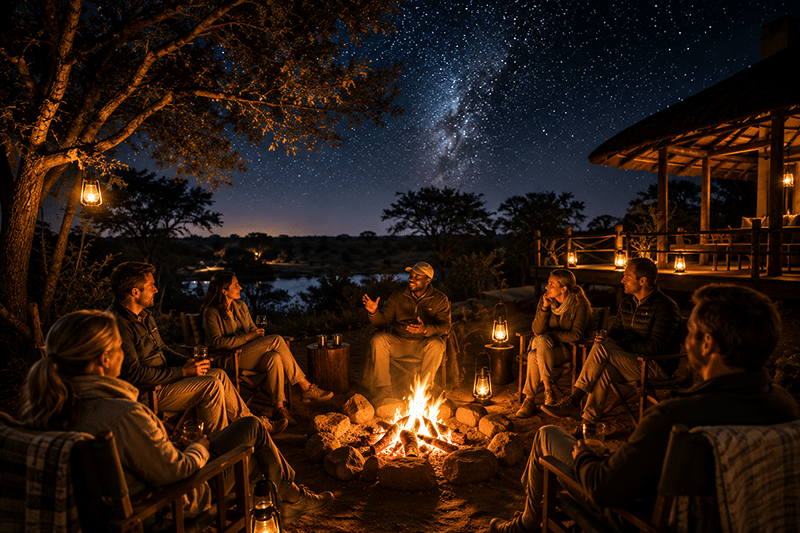
A safari in the Okavango Delta is defined by calm progression and careful planning. Days often begin early, following the cooler hours when wildlife is most active. Afternoons allow time for rest, reflection, and observation, before returning to the bush as the light softens.
Guides play a central role, interpreting tracks, water levels, and animal behaviour, and adapting each day to what the land offers rather than forcing a schedule.
Why the Okavango Delta is unique
The delta leaves a lasting impression because it feels alive and responsive. Water shifts, wildlife adapts, and every journey becomes a quiet collaboration between people and place.
Here, safari is not measured by how much ground you cover, but by how deeply you engage with the environment around you.
The Okavango Delta offers a safari experience rooted in balance, patience, and awareness. It is a place where water defines life, and where moments unfold naturally for those willing to slow down and observe.
If you are considering a journey to the Okavango Delta and would like guidance on timing, regions, or how to shape an experience around your interests, we are happy to help you plan a safari that feels both effortless and meaningful.